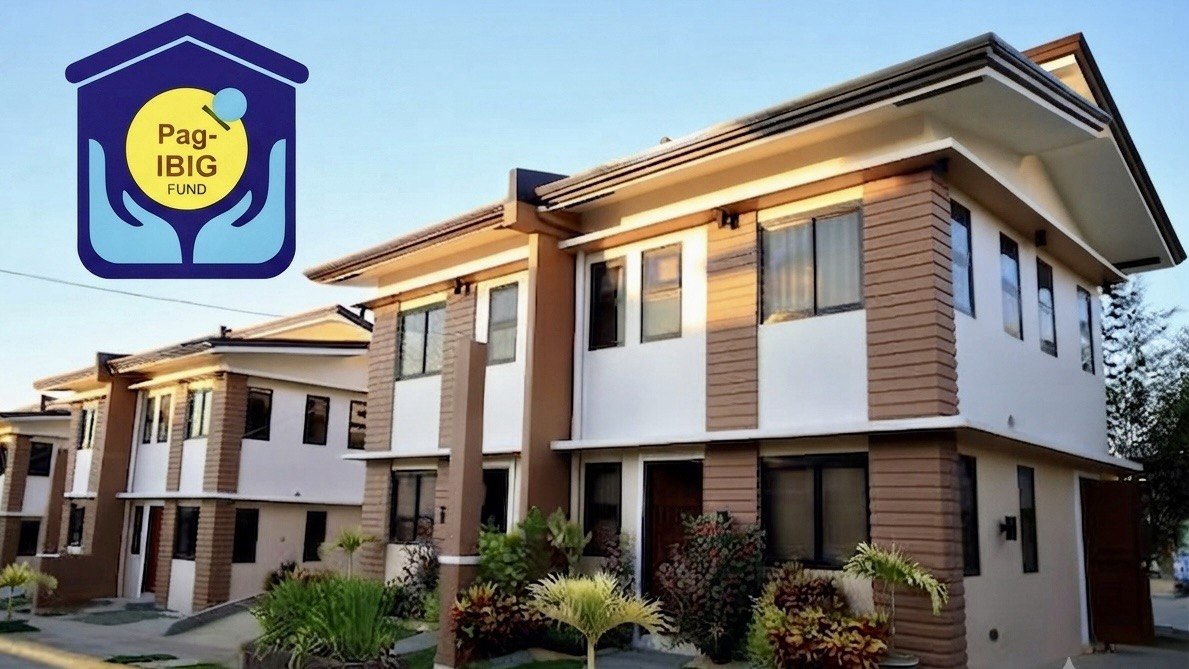
Pag-IBIG Fund released P16.2 billion in subsidized socialized housing loans in the first 10 months of 2026, more than 15 times the P1.06 billion disbursed a year earlier, as the government expands financing options for low-income homebuyers.
The loans financed 15,674 homes from January to October under the Expanded Pambansang Pabahay para sa Pilipino (4PH) program, nearly 13 times the 1,227 units financed in the same period last year. The increase represents an additional P15.14 billion in loan releases, although the figures also point to a sharp acceleration from a relatively small base.
Qualified buyers of socialized housing units can borrow at a subsidized annual interest rate of 3 percent, helping lower monthly amortization and make homeownership more accessible to households with limited incomes.
Housing Secretary Jose Ramon Aliling attributed the growth to the wider range of housing options being made available to informal settler families and low- and middle-income workers.
Pag-IBIG chief executive Marilene Acosta said housing fairs and open houses organized with the Department of Human Settlements and Urban Development (DHSUD) have helped prospective buyers understand the financing options and compare available properties.
“More and more people are learning about the Fund’s programs, especially the low interest rates on Pag-IBIG loans,” Acosta said.
Beyond socialized housing, Pag-IBIG introduced promotional rates in June to extend lower-cost financing to buyers of more expensive properties.
The fund offered a 4.5-percent annual rate for homes priced up to P4.9 million and 5.75 percent for properties costing above P4.9 million and up to P10 million.
Aliling said the housing department was exploring ways to extend the program’s reach to more Filipino families.
The surge in subsidized lending signals growing uptake of the government’s housing initiative, but sustained progress will also depend on the availability of affordable units, household capacity to meet monthly payments, and the timely delivery of projects.
Cheaper financing is an important first step for many prospective homeowners. Making sure there are homes they can afford to buy, and sustain paying for, remains the bigger challenge.