The Department of Trade and Industry has trimmed its export ambitions—but not its appetite for acceleration.
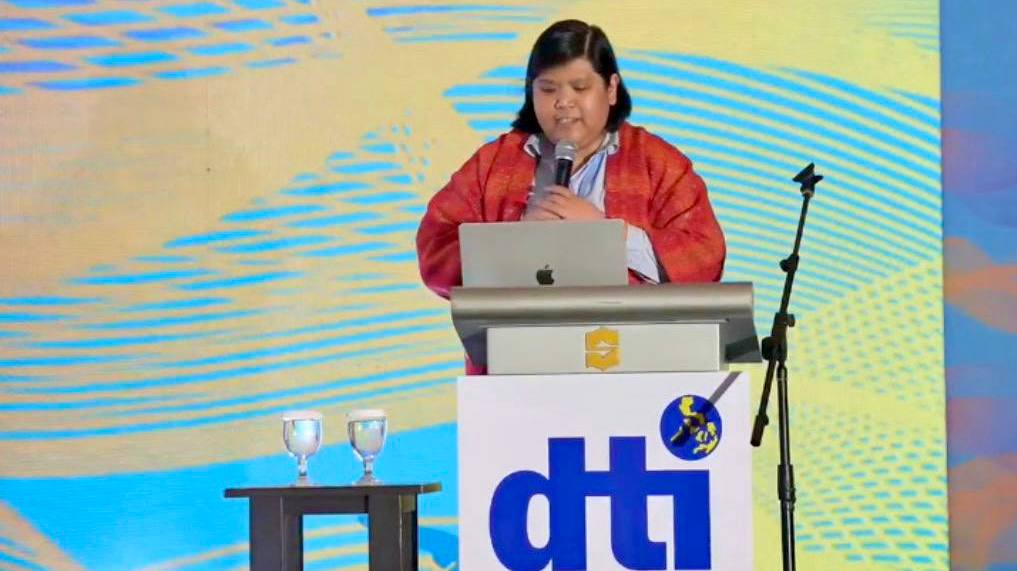
At the National Exporters Week culmination in Mandaluyong, Export Marketing Bureau Director Bianca Sykimte announced a recalibrated Philippine Export Development Plan (PEDP) for 2023–2028, citing the need to align with the Philippine Development Plan and the reality of slower performance from key export drivers.
Under the updated outlook, exports are expected to grow a modest 3.6 to 3.8 percent this year, landing between USD110.8 billion and USD113.4 billion, a step down from the original PEDP target of USD163.6 billion. Yet the plan is far from a retreat.
DTI projects momentum will rebuild: 4.8 to 5.3 percent growth by 2026, rising to 6.2 to 7.2 percent in 2027, and surging to as high as 9.5 percent by 2028, when exports are forecast to hit up to USD135.1 billion.
Sykimte framed the revision as “data-driven realism,” not dampened ambition. The strategy now leans heavily on strengthening production capacity, cultivating an innovation-led export ecosystem, and grabbing a larger slice of global demand.
The DTI also points to the success of regional competitors that have aggressively courted export-oriented investments—an approach the Philippines is doubling down on.
Proof of that push is already materializing.
The Philippine Economic Zone Authority has secured P438.6 billion in export-oriented projects from 2023 to 2025, expected to funnel millions of dollars into future export flows.
Meanwhile, policy tools are being sharpened: the CREATE MORE Act expands incentives such as VAT zero-rating and import exemptions, easing a long-standing burden for exporters.
“We heard their pains,” Sykimte said. Now, with targets reset and support reinforced, the Philippines is betting that strategic investment and smarter incentives can turn a cautious recalibration into a stronger long-term climb.