New agriculture programs rolled out in Mindoro point to a clear policy direction: government investment is shifting from just increasing farm output to fixing the weak links between farms, markets, and consumers. The goal is simple—help farmers earn more while making food cheaper and more reliable for ordinary Filipinos.
At the center of the effort is a new trading and consolidation hub that helps farmers store, sort, and sell their produce collectively. By cutting out middlemen, reducing spoilage, and timing sales better, farmers can avoid being forced to sell at low prices. This means higher and more stable incomes for rural families and fewer supply shocks that drive up food prices in cities.
The province is also investing in processing facilities that turn excess harvests into longer-lasting food products. Instead of letting crops rot during peak harvests, farmers can now process them into dried, packaged, or value-added goods. This policy reduces food waste, creates local jobs, and keeps food available even when fresh supply is low.
Another key signal is the government’s push for climate-resilient and year-round production, including greenhouses and mobile processing units. This reflects a broader strategy to protect food supply from climate risks and natural disasters—an issue that directly affects food prices and availability nationwide.
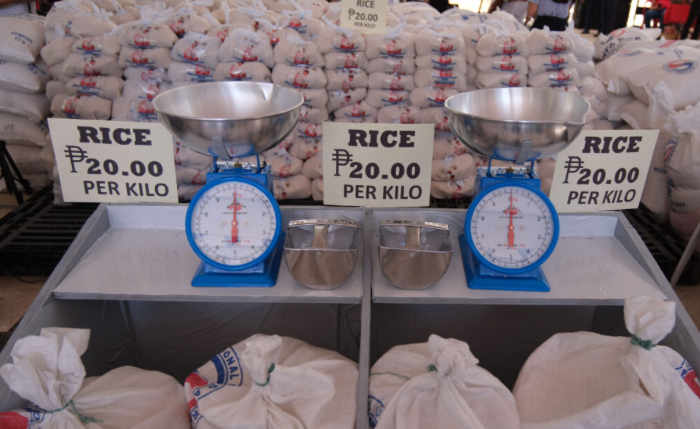
For consumers, the most immediate impact is the province-wide expansion of the ₱20 per kilo rice program. By using government rice stocks and local harvests, the program aims to keep rice affordable for about 70,000 vulnerable households while still paying farmers a fair price for their palay. This balances farmer support with consumer protection, a long-standing challenge in Philippine food policy.
Overall, the Mindoro programs show how targeted public investment—when focused on logistics, processing, and fair pricing—can benefit both producers and consumers. For ordinary Filipinos, the takeaway is practical: steadier food supply, lower prices for staples like rice, and stronger rural economies that support national food security.