Inflation cooled to 1.5 percent in November, its slowest pace in three months, as rice and corn prices stayed down and cost pressures across several key consumer items eased, the Philippine Statistics Authority reported Friday.
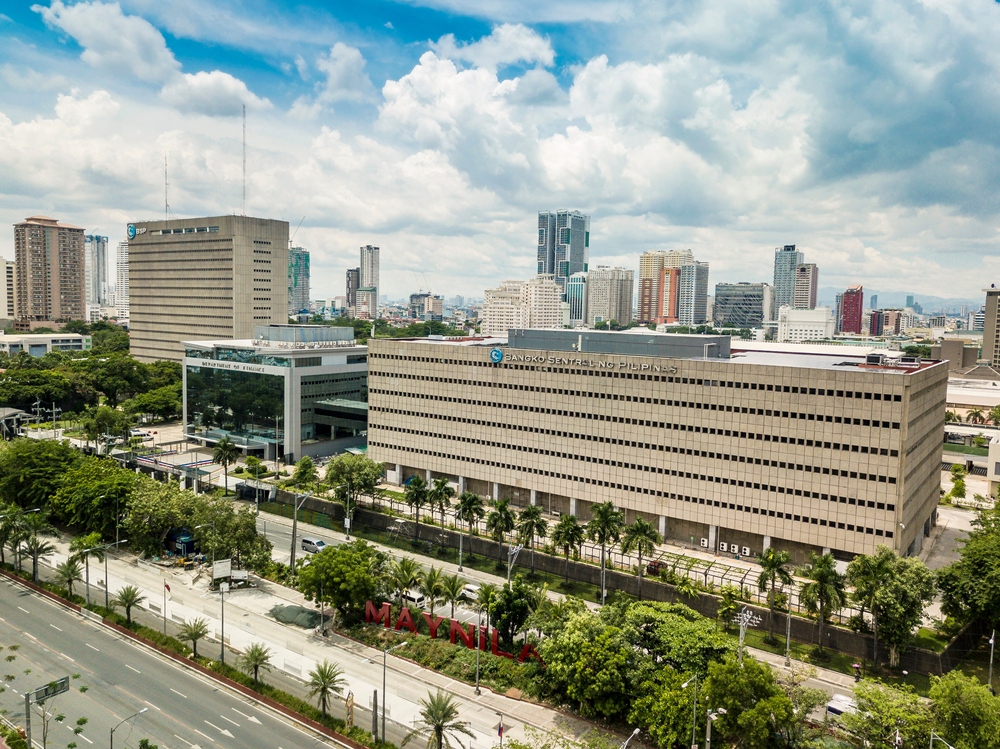
The pullback ends two months of quickening price gains and sharpens expectations that the Bangko Sentral ng Pilipinas is inching closer to cutting interest rates.
Average inflation from January to November is now at 1.6 percent, well below the BSP’s 2 to 4 percent target range for this year. With economic growth softening in the third quarter, the subdued reading strengthens the central bank’s hand to shift toward a more accommodative stance.
Core inflation—a key gauge of underlying price pressures as it excludes volatile food and energy items—also eased to 2.4 percent from 2.5 percent in October, underscoring the broader deceleration.
Much of November’s cooling came from food and non-alcoholic beverages, where inflation nearly ground to a halt at 0.1 percent from 0.5 percent. Slower increases in alcoholic beverages and tobacco, household furnishings, and personal care products added momentum to the easing trend.
A crucial part of the story lies at the bottom of the income ladder. For the poorest 30 percent of households, deflation persisted at 0.2 percent in November, following a 0.4 percent decline in October and well below the 2.9 percent inflation recorded a year earlier.
The PSA said falling food prices—especially rice—continued to ease the financial strain of low-income families. Average inflation for this group from January to November was just 0.2 percent, offering rare relief amid still-elevated living costs.
Not all components cooled. Housing and utilities quickened to 2.9 percent, transport accelerated to 1.7 percent, recreation and culture rose to 2.1 percent, and restaurants and accommodation services climbed to 2.6 percent—signaling persistent service-sector cost pressures.
Housing and utilities contributed the biggest share to November inflation at 0.6 percentage point, followed by restaurants and accommodation (0.3) and transport (0.2).
Food inflation fell deeper into negative territory, sliding 0.3 percent as vegetable prices sharply moderated and rice and corn continued to post double-digit declines.
With supply conditions improving and demand still subdued, analysts expect inflation to remain benign in the coming months—clearing the runway for a potential BSP rate cut early next year.
-0-