The Philippine healthcare information management services (HIMS) sector is projected to sustain a robust 9 percent annual growth rate through 2028, defying mounting pressures from artificial intelligence, automation, and geopolitical uncertainty.
Industry revenue is estimated to reach USD4.5 billion by the end of 2025, up 7 percent from USD4.2 billion in 2024. The sector currently employs around 190,000 professionals, underscoring its expanding role in the global healthcare value chain.
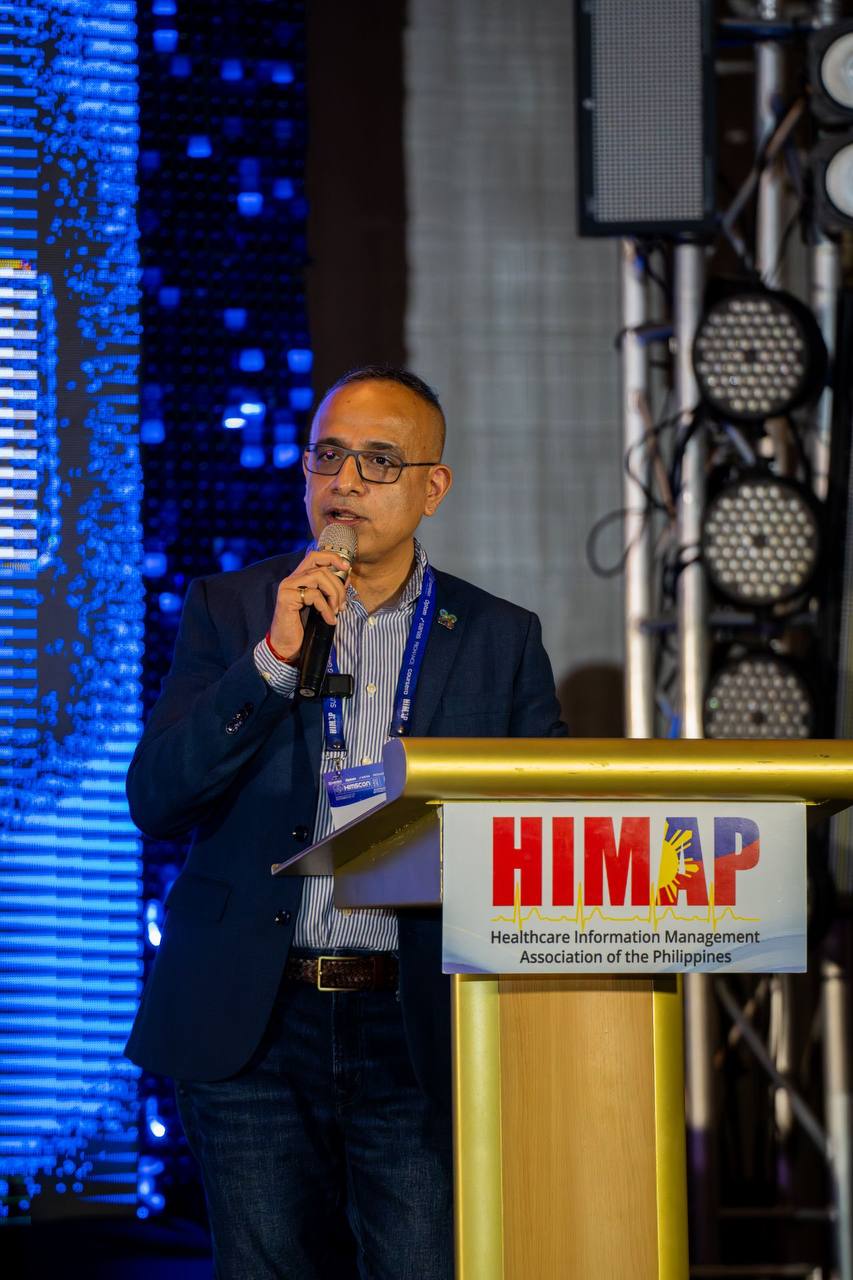
Dr. Salin Kataria, managing director for Clinical Operations at Carelon Global Solutions Philippines and a board member of the Healthcare Information Management Association of the Philippines (HIMAP), said the industry’s resilience is anchored on its deep talent pool and the proven expertise of Filipino healthcare professionals.
However, Kataria cautioned that the sector is confronting a “triple-layered wave of disruption” driven by rapid advances in AI and automation, shifting geopolitical dynamics, and evolving market expectations. These forces, he said, make future-proofing strategies increasingly critical for HIMS firms.
To sustain long-term growth, Kataria emphasized the need to move beyond traditional upskilling toward applied learning models that prioritize real-world problem solving.
“Applied learning elevates skills to the point where they can address real-time challenges,” he said.
Without effective talent development initiatives, Kataria cited a Korn Ferry estimate warning that a global talent shortage could erase USD8.5 trillion in annual revenues by 2030.
Carelon Global Solutions has adopted this approach through its Clinical Advancement University, which trains nurses in value-based care and complex clinical reviews. A pilot program recorded a 21 percent increase in assessment and skills scores after participants completed online modules, mentorship, and scenario-based training.
Kataria urged other HIMS firms to replicate such programs, encourage cost-efficient innovation, and communicate achievements transparently to motivate teams and reinforce a culture of continuous improvement.