Filinvest Development Corp. is formalizing its transition to low-carbon operations, setting a 2040 net-zero emissions target and placing renewable energy at the center of the strategy.
Driving that effort is FDC Utilities Inc., the group’s energy and water arm, which is reshaping Filinvest’s power portfolio while supporting emission reductions across the conglomerate.
FDC chief operating officer Ysmael Baysa told Contet.PH that renewable sources are expected to account for about half of the group’s planned 1,350-megawatt generation capacity by 2033, with solar energy forming the bulk of new projects.
The direction reflects both policy signals and practical considerations, as solar technology continues to become more cost-efficient and widely deployable across the Philippines.
Emission reduction is not limited to electricity generation, noted Baysa, who points to other carbon emission reduction efforts across the group.
Filinvest’s real estate, hospitality, and water units have adopted energy-efficient systems to curb resource use. Among the most visible initiatives is the district cooling system in Alabang, which cuts energy demand by up to 40 percent and water consumption by 20 percent.
Festival Mall has also installed what the company describes as the largest solar rooftop system in Metro Manila, while partnerships with schools and non-government organizations have resulted in carbon sequestration forests that contribute longer-term environmental benefits.
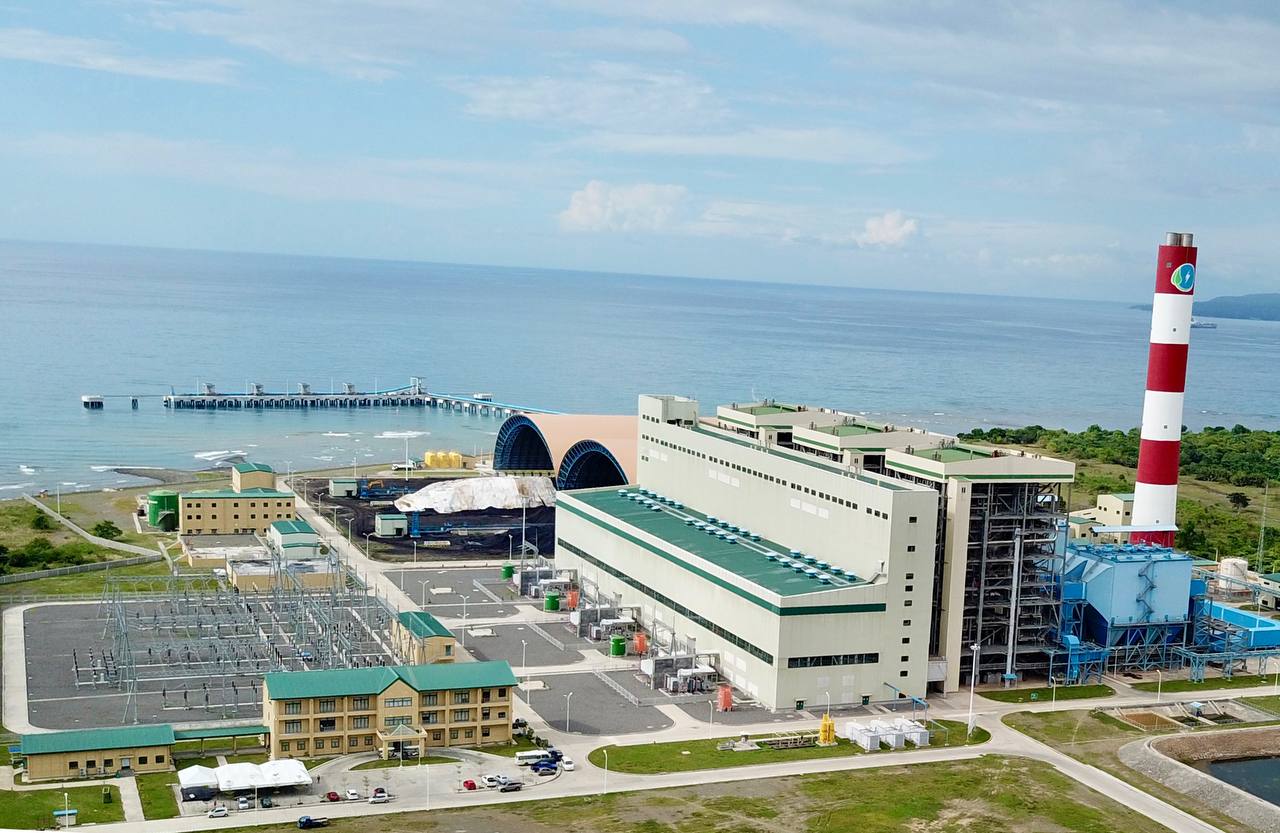
In Mindanao, where FDC Utilities operates a coal-fired facility in Misamis Oriental, the company is pairing existing assets with new renewable capacity.
FDC Utilities and FDC Green Energy Corp. president and chief executive officers Juan Eugenio Roxas told reporters that an initial 20-megawatt solar farm in Misamis Oriental is scheduled for inauguration later this month, with two larger solar projects in Cotabato and General Santos City expected to break ground later this year.
These developments form part of a broader green energy program of the Filinvest Group that could generate nearly 670 megawatts by 2033.
Roxas said the group remains open to multiple renewable technologies, noting that solar works well nationwide, while wind and hydro projects depend on location and site conditions. Although liquefied natural gas remains a possible option, he said the company is currently focused on expanding renewables as the most direct route toward its net-zero goal.