Metro Pacific Investments Corp. (MPIC) has put on hold plans to sell its stake in the operator of Light Rail Transit Line 1 (LRT-1) following what it described as encouraging progress by the government in settling long-standing contractual obligations.
Enrico Benipayo, president and chief executive of Light Rail Manila Corp. (LRMC), said the improved partnership with the government prompted the decision. He noted that authorities have addressed key concerns raised by the company, boosting optimism among shareholders.
The development has reportedly satisfied MPIC chairman Manuel V. Pangilinan and other investors, who had earlier considered divesting due to unsettled government obligations and continuing financial losses.
From 2016 to 2020, LRMC was not granted the automatic biennial fare increases provided under its concession agreement. The fare adjustment was approved only during the administration of Ferdinand Marcos Jr..
The government has paid P926 million out of the P4 billion in claims filed by LRMC. To settle the remaining balance, the Light Rail Transit Authority is processing a P3-billion loan from Land Bank of the Philippines.
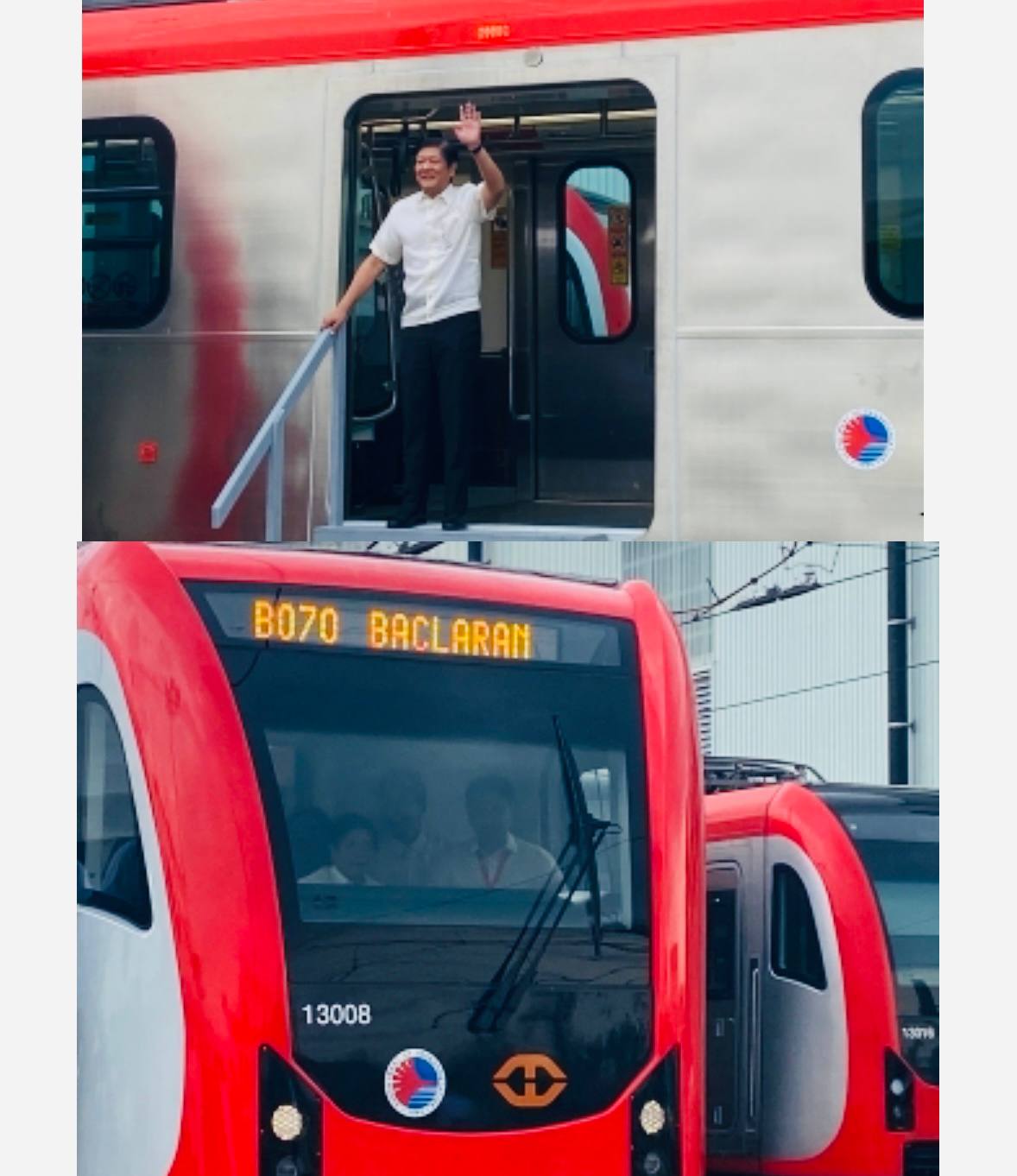
Benipayo said the company remains focused on completing its concession, particularly the extension of LRT-1 to Cavite. LRMC won the bid for the 11.7-kilometer Cavite extension and took over operations of LRT-1 in September 2015. The rail line runs from Baclaran in Pasay City to Muñoz in Quezon City.
Since assuming operations, LRMC has carried out major upgrades, including station rehabilitations, the rollout of fourth-generation train sets, and the opening of Phase 1 of the Cavite Extension.
LRMC is a consortium composed of MPIC, AC Infrastructure Holdings Corp., Japan’s Sumitomo Corporation, and Macquarie Investments Holdings under the Philippine Alliance for Infrastructure.
The deferment signals renewed investor confidence in the government’s commitment to public-private partnership agreements. For commuters, it raises the likelihood of continued service improvements and the timely completion of the Cavite extension.
Commercially, the government’s partial payment and plans to settle the balance reduce financial uncertainty for LRMC and its shareholders, strengthening the long-term viability of the LRT-1 project and stabilizing one of Metro Manila’s key transport systems.