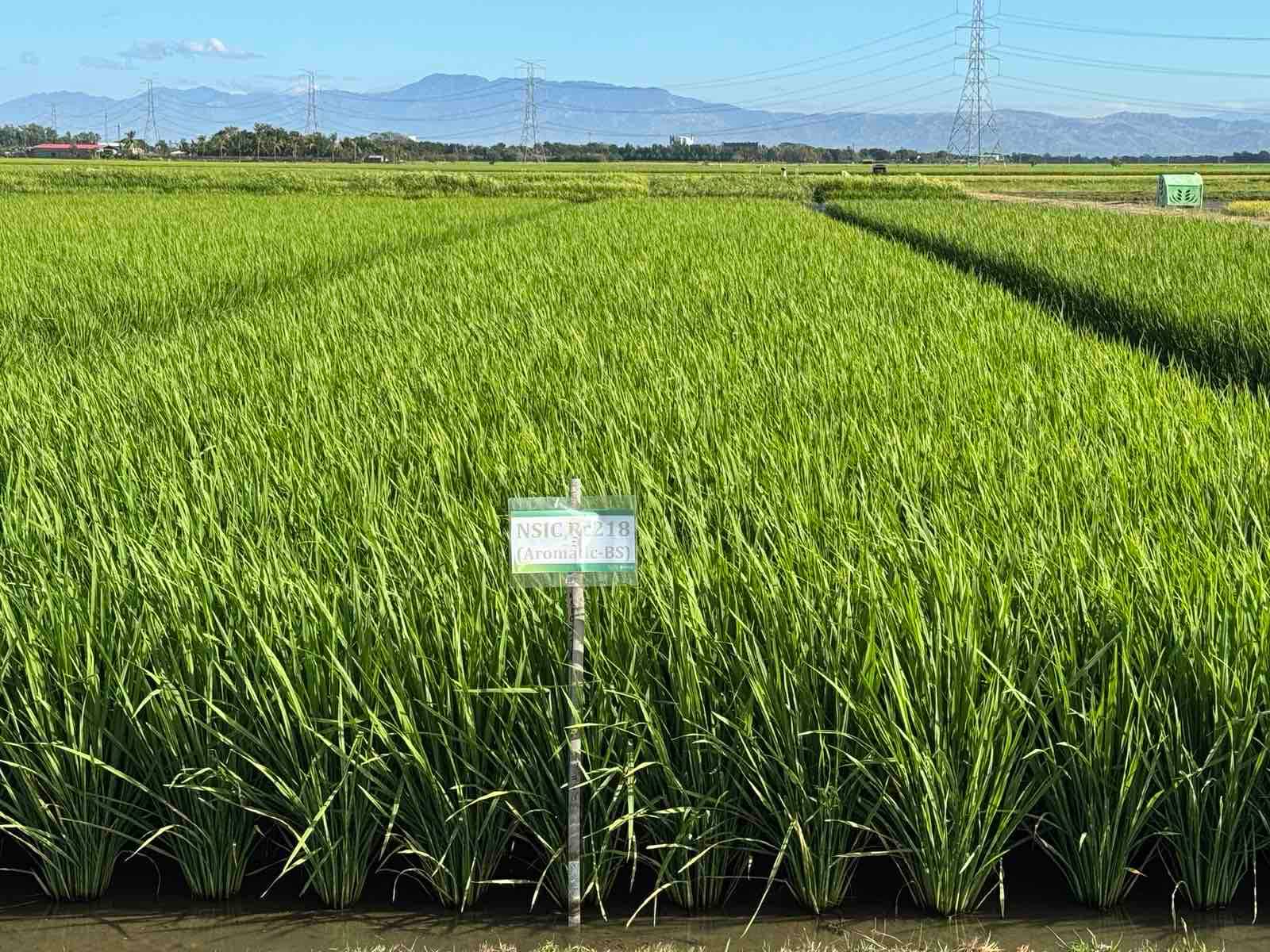
Fresh from winning silver at the 2025 World’s Best Rice Award in Cambodia, Mabango 3 is showing it offers more than great taste and aroma. The rice variety, officially known as NSIC Rc218, can also survive and grow even when newly planted fields are flooded.
The award was given at the World’s Best Rice Award, where Mabango 3 gained global attention for its quality. Now, new research shows it has another important strength: it can sprout and grow in low-oxygen conditions caused by sudden flooding.
In a study published in the Philippine Journal of Science, scientists from the Philippine Rice Research Institute tested dozens of rice varieties to see which could survive being submerged during the early stages of growth. This stage is critical because seeds need oxygen to sprout. When heavy rains flood fields, young plants can die before they even emerge.
The researchers found that Mabango 3 was among the strongest performers. It showed high germination rates and vigorous seedling growth even under flooded conditions. Tests also confirmed it carries a genetic trait linked to flood tolerance.
This is especially important as more farmers shift to direct seeding, a method where seeds are sown straight into the field instead of transplanting seedlings. Direct seeding reduces labor, saves water, and cuts planting time. However, it also carries greater risk if heavy rains hit just after sowing.
Agriculture Secretary Francisco P. Tiu Laurel Jr. said developing climate-resilient rice varieties is key to ensuring stable harvests and food security. He noted that varieties like Mabango 3 can help farmers cope with unpredictable weather while maintaining good yields.
For consumers, this means more reliable rice supplies despite extreme weather. A variety that combines premium quality with flood tolerance can help prevent crop losses, stabilize prices, and strengthen the country’s food security.
As climate change brings more erratic rainfall, rice that can survive real-world conditions is becoming essential. Mabango 3’s ability to thrive even underwater adds a new reason for farmers to plant it—and for consumers to value it on their tables.