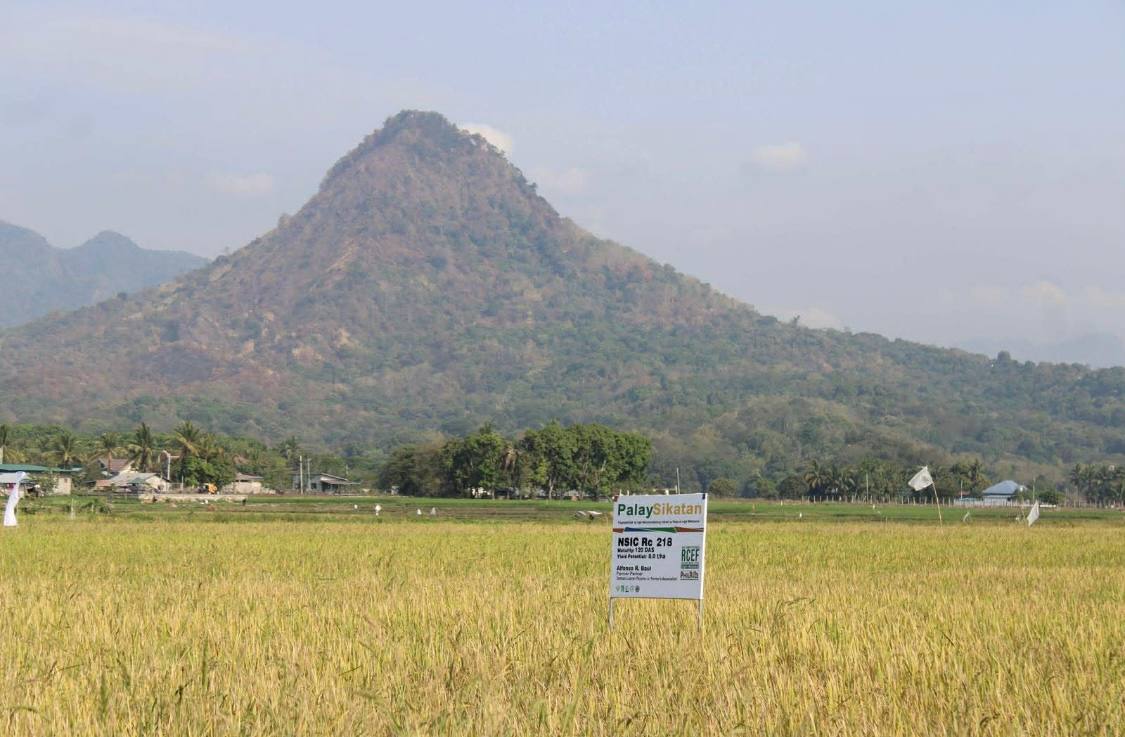
The government has moved to shield rice farmers from falling prices during the peak harvest season, with the National Food Authority (NFA) announcing more flexible palay procurement rules aimed at putting more money directly into farmers’ hands.
At a high-level meeting on February 23 in Quezon City, the NFA approved revised buying standards after consultations with farmers, millers, retailers and field officials. The changes are designed to prevent unnecessary rejection of harvests at a time when oversupply typically drives farmgate prices down.
In a major adjustment, the NFA expanded the acceptable moisture content for dry palay to 11–14 percent, from the previous 12–14 percent range. Farmers had long complained that the narrower standard caused deliveries to be downgraded or rejected on technical grounds. While the agency maintained its buying price at ₱17 per kilo for fresh or wet palay and ₱21 per kilo for dry palay, the broader moisture allowance is expected to allow more farmers to qualify for the higher rate. The pest standard has also been clarified to require grains to be “visibly free from pests,” reducing the likelihood that minor or non-material issues will lead to rejection.
The timing of the move is critical. As the dry season harvest accelerates, supply in the market rises sharply, often weakening prices and forcing farmers to sell quickly at lower rates. By loosening its specifications, the NFA is positioning itself to absorb more palay volume and reduce the risk of distress selling to private traders.
NFA administrator Larry Lacson said even small adjustments in moisture tolerance can translate into thousands of additional bags accepted and higher earnings for farmers during the most price-sensitive period of the year.
Agriculture Secretary Francisco P. Tiu Laurel Jr. said the revised rules reflect the administration’s commitment to making farmers more profitable and less vulnerable to market swings, in line with the direction of President Ferdinand Marcos Jr..
Beyond supporting farm incomes, the stronger government procurement drive is also expected to help build buffer stocks, reinforcing rice supply stability and helping protect consumers from sudden price spikes later in the year.