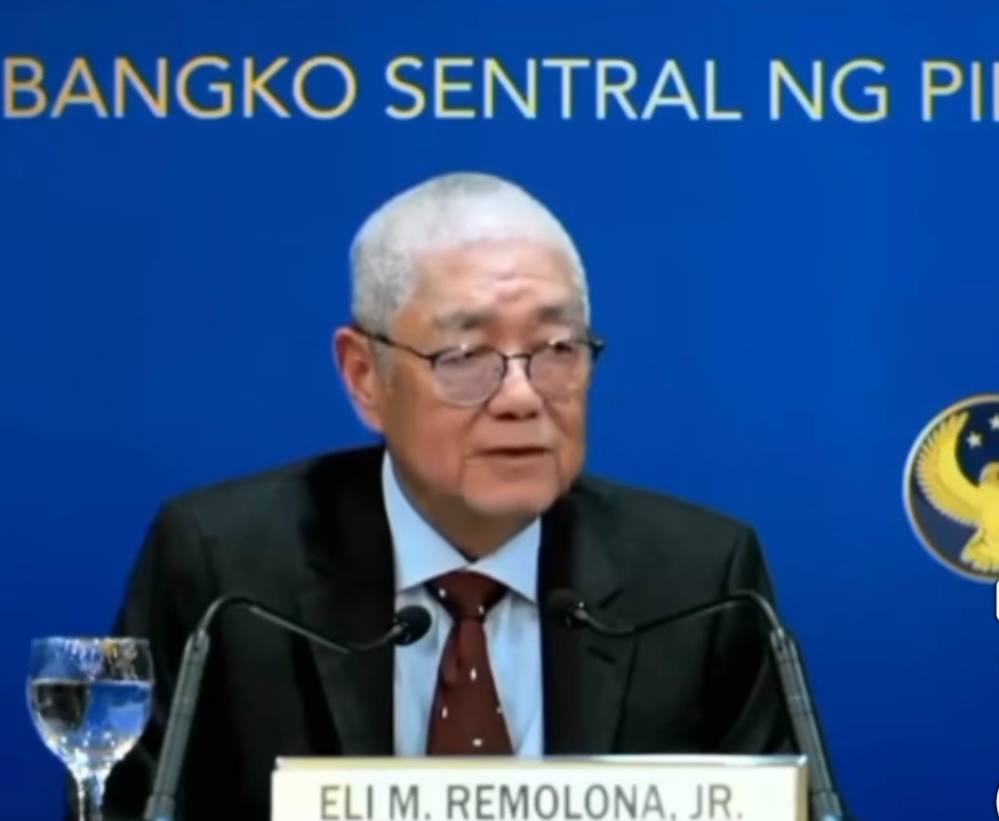
The Bangko Sentral ng Pilipinas (BSP) said it is closely watching the ongoing conflict in the Middle East as it prepares for its monetary policy meeting on April 23, 2026.
The central bank expressed hope for the safety of overseas Filipino workers and civilians affected by the situation, while assessing potential economic risks to the Philippines.
The BSP said its primary focus remains price stability. It is evaluating how rising oil prices could affect inflation, including possible increases in fertilizer costs, transport fares, and overall consumer prices.
In addition, the BSP is monitoring the impact on the country’s external accounts, such as remittances and trade flows, as well as movements in financial markets.
On the peso, the central bank reiterated that it does not target a specific exchange rate. Instead, it intervenes in the foreign exchange market only to limit excessive volatility and ensure orderly conditions, in line with its flexible exchange rate policy.
The BSP emphasized that its policy decisions will remain data-driven.
Earlier, some analysts and researchers said the Philippines could be among the first Southeast Asian economies to raise interest rates again, as higher energy prices linked to Middle East tensions threaten to push inflation higher.
The report noted that investors increasingly view the Philippines as vulnerable to oil price shocks, which could add pressure on inflation in 2026.