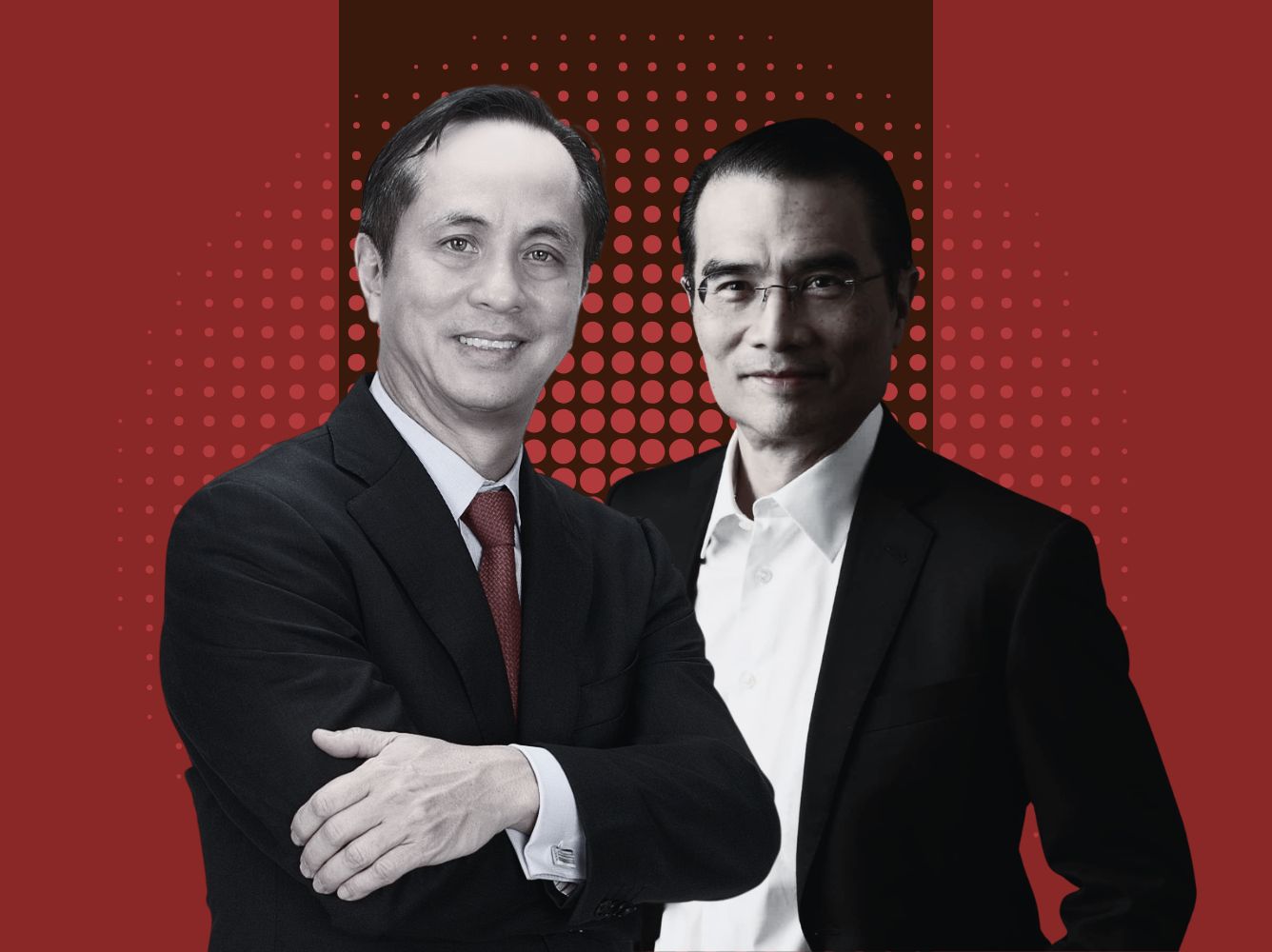
A long-simmering family dispute at Lopez Inc. has erupted into a full-blown governance battle, after shareholders aligned with Eugenio Gabriel “Gabby” Lopez III voted to remove Federico “Piki” Lopez as president and chief executive officer of the privately-held investment holding company, citing a breakdown in trust tied to undisclosed multibillion-peso transactions.
At the center of the controversy are major transactions involving listed power generation firm First Gen Corp. and Prime Infrastructure Capital Inc., led by Enrique Razon Jr. Prime Infra bought 60 percent of First Gen for P50 billion in November.
Directors backing Gabby Lopez claim the deal, despite its scale, was not disclosed to the holding company’s board until after it had been completed and reported in the media.
“In fact, the other directors… recount finding about it after the fact and through media,” a pleading filed with the Regional Trial Court of Mandaluyong stated, underscoring what the majority described as a serious lapse in disclosure. The court filing sought to lift the temporary injunction won last week by Piki Lopez that stopped his ouster.
The same filing added that Piki Lopez “only communicated the First Gen sale after numerous family members had already questioned the non-disclosure of the transaction.”
The dispute widened over another major transaction involving First Gen’s planned P75 billion acquisition of a 40 percent stake in Prime Infra’s hydropower assets, including projects in Rizal and Laguna. According to the majority, some of these deals were presented to the board only briefly and “concealed under ‘other matters’” in meeting agendas, raising questions about the validity of approvals and whether proper deliberations took place.
The board voted 5–2 on February 27 to remove Piki, although a court-issued temporary injunction has allowed him to remain in post for now. The Gabby-led bloc, which includes Rafael, Miguel Ernesto, and Martin Lopez, and Maria Eugenia Brown, argues that company by-laws permit removal by majority vote, with or without cause, and pointed to what it described as an “opaque management style” that fell short of expected governance standards.
Beyond the immediate controversy, the episode underscores deeper fractures within one of the Philippines’ most prominent business families. Tensions date back to disagreements over the 2009 sale of a stake in Manila Electric Company, once considered a crown jewel, a move that had divided key family factions even then.
For corporate governance watchers, the stakes go beyond family politics. The case highlights risks around disclosure, board oversight, and minority shareholder protection, particularly when billions of pesos in listed assets are involved. With calls for an independent audit intensifying, the outcome could set a broader precedent for transparency and accountability in Philippine conglomerates.