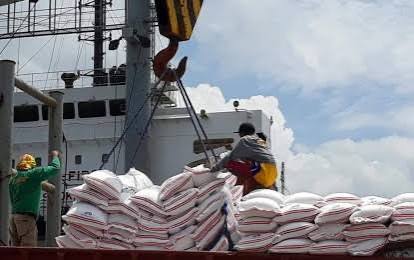
The Philippines has launched a safeguard investigation into rice imports, intensifying scrutiny over rising inflows that policymakers say may be undermining the domestic farming sector.
The move follows sustained complaints from agricultural groups that imported rice has weakened local competitiveness and disrupted farmgate pricing.
In a notification dated April 15, 2026, to the World Trade Organization Committee on Safeguards, authorities confirmed the probe began on March 26, 2026. The filing indicates the case is now active, with officials assessing whether emergency trade remedies may be warranted under WTO rules.
The petition, filed by the Federation of Free Farmers and the Magsasaka Partylist, argues surging imports have caused serious injury to local producers.
It cites declining domestic market share, rising import penetration, and reduced self-sufficiency. It also flags higher inventories, elevated production costs, stagnant productivity, shrinking harvested areas, and widening farmgate-retail price gaps.
Authorities said the probe will assess whether safeguard measures are needed. It covers rice in various forms, including palay, brown, semi-milled, milled, and broken rice, under Harmonized System Heading 1006, spanning subheadings 1006.10 to 1006.40.
The WTO notification shows imports from multiple countries will be reviewed during the preliminary phase. Officials will determine whether import surges meet legal thresholds for safeguard action, which could allow temporary restrictions if injury and causation are established.