Serious lapses in corporate governance, not a lingering family feud as some would have it, drove the decision to remove Federico “Piki” Lopez as president and chief executive officer of Lopez Inc., according to controlling shareholders.
Lopez family members representing 71 percent ownership said in a joint statement that the ouster move stemmed from a breakdown in trust, lack of transparency, and failure to uphold fiduciary responsibilities, while clarifying that Piki will remain on the board.
The statement was signed by Maria Cristina Rosario Lopez Grassi, Roberta Pilar Lopez Feliciano, Maria Margarita Lopez Lichauco, Maria Eugenia Psinakis Brown, Eugenio L. Lopez III, Rafael L. Lopez, Ernesto Miguel L. Lopez, Manuel L. Lopez Jr., Ramon Javier L. Lopez, Miguel L. Lopez, Michael Lopez Psinakis, and Martin L. Lopez.
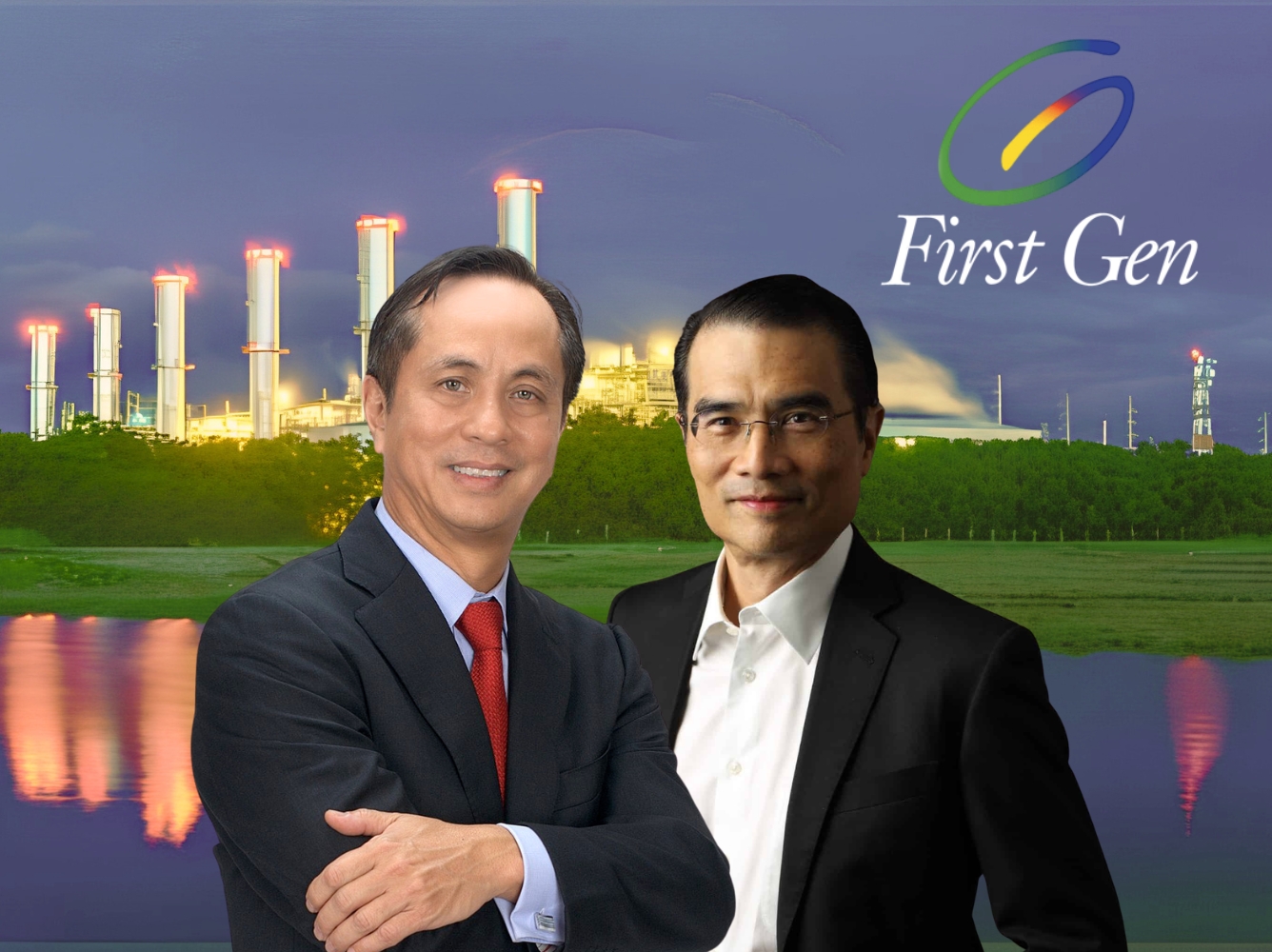
The dispute centers on major transactions involving First Gen Corp., the listed power generation investment of the group. Shareholders said they were neither informed nor consulted on the P50-billion sale of a 60 percent stake in First Gen’s natural gas business to Prime Infrastructure Capital Inc. of Enrique Razon Jr., named by Forbes as the Philippines’ wealthiest man, in 2025, as well as the P62-billion acquisition of a 33 percent stake in Prime’s hydropower assets in 2026.
They said these transactions carried material financial and strategic implications, requiring disclosure and shareholder engagement. “Good corporate governance requires transparency and timely disclosures,” the group said, adding that such standards were not met.
Shareholders also flagged “poison pill” provisions embedded in the deals. These clauses could trigger a P24-billion payment and allow Prime Infrastructure to buy out assets at a discount if key executives, Piki included, are removed, effectively raising the cost of leadership change, constraining board oversight, and significant losses for the group.
The family said the provisions created a situation where management became difficult to replace, even in cases of non-performance, raising concerns over alignment with shareholder interests.
The decision to remove Piki was described as collective and authorized across all family branches. Shareholders emphasized that the move was not intended to damage reputations but to “do the right thing” and safeguard the company, its employees, and its legacy.
The development signals a governance reset within the Lopez group, with shareholders asserting a more active role in oversight and strategic decision-making. The leadership issue and the right of shareholders to remove company executives are now the subject of a court action, while governance issues have been brought to the attention of corporate and market regulators.