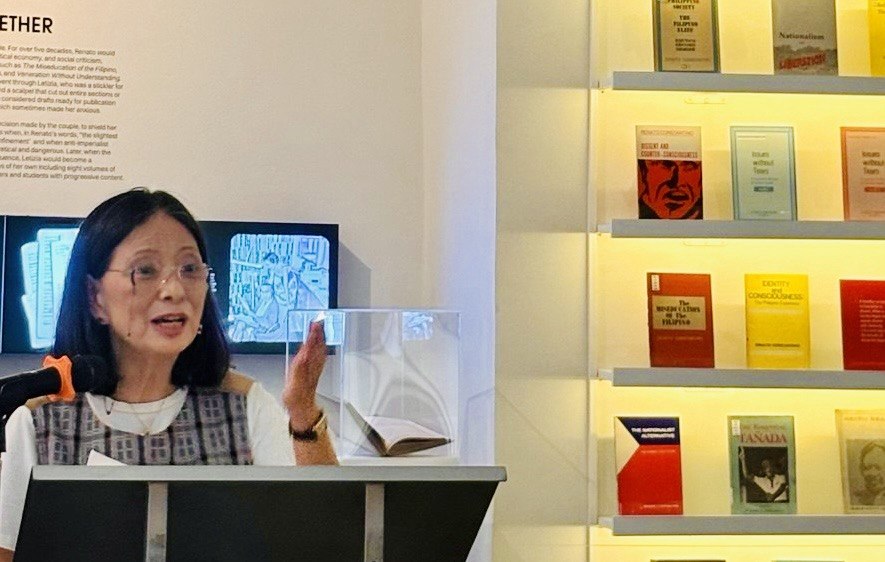
For most museums, turning 20 is a moment to look back. For the Yuchengco Museum, it is an opportunity to redraw the blueprint.
The institution founded by businessman and diplomat Alfonso Yuchengco is marking its second decade not by doubling down on tradition, but by embracing a more entrepreneurial role in the country’s creative economy.
“We are moving into this next level of sensitivity to the needs of our creative people,” museum director Jeannie Javelosa said. “All of them must survive, and this is our way of helping them do that.”
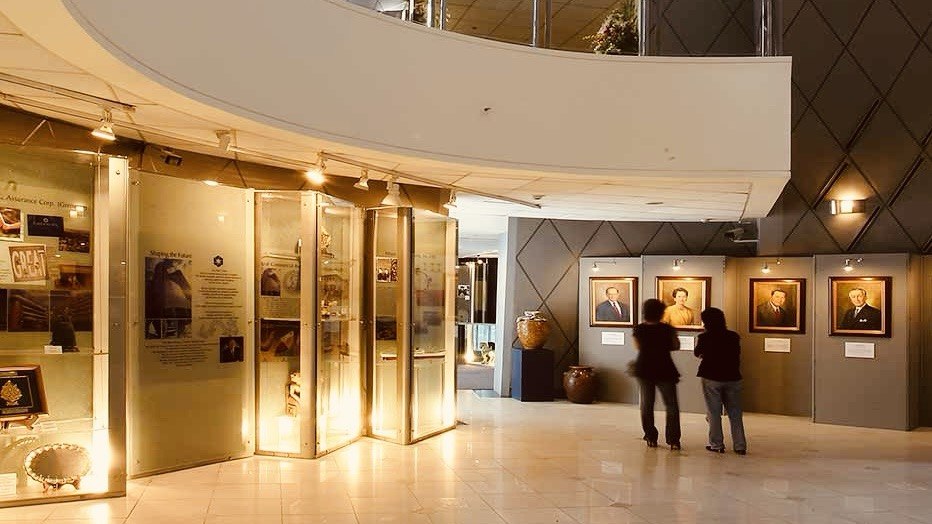
That philosophy is reshaping the museum both physically and strategically. What was once primarily a space for exhibitions has evolved into the “Y Space,” with its lower floors converted into venues for events, retail concepts, book sales and creative showcases. The upper levels remain devoted to art exhibitions and permanent collections, preserving the institution’s cultural core while expanding its economic relevance.
The shift reflects a broader reality facing museums worldwide: preserving culture is no longer enough. Institutions are increasingly being asked to create communities, generate opportunities and remain financially sustainable.
Museum chair Yvonne Yuchengco said the institution was always intended to be more than a repository for her father’s collection.
“It was conceived as a forum, not just a temple,” she said, describing a space designed to encourage dialogue among Filipino, Sino-Filipino and international cultures.
Trustee and architect Dan Lichauco believes commercial activity and cultural stewardship are no longer opposing forces. Carefully curated retail and event spaces, he argues, can strengthen a museum’s ability to support artists, designers and creative entrepreneurs.
That approach may be especially relevant in an era shaped by social media, where audiences increasingly seek experiences rather than passive viewing.
Artist and trustee Marco Santos, a third-generation member of the Yuchengco family, said museums must become “immersive, engaged, inclusive, but still commercially viable” to attract a new generation of art lovers.
It is a balancing act between heritage and innovation. But as the museum enters its third decade, it is betting that culture thrives not only when preserved, but when actively put to work.