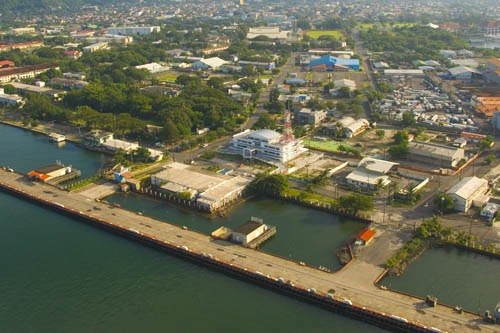
The Port of Subic is proving that congestion is not the only story in Philippine logistics.
The Subic Bay Metropolitan Authority (SBMA) reported a 20 percent increase in port-related revenues in the first quarter of 2026, generating P389 million compared with P324 million a year earlier. The performance highlights the port’s growing role as a strategic trade gateway and an increasingly attractive alternative to the heavily utilized Port of Manila.
SBMA Senior Deputy Administrator for Port Operations Ronnie Yambao said the Seaport Department contributed the largest share of revenues at P302 million, followed by the Airport Department at P50 million and the Trade Facilitation and Compliance Department at P36 million.
Behind the revenue growth was a sharp increase in port activity. Vessel and cargo charges rose 31 percent, while ship calls climbed 20 percent to 463 foreign and domestic vessels during the quarter. Bulk and break-bulk vessel traffic increased 29 percent, while liquid bulk vessel calls grew 18 percent.
The uptick translated into higher ancillary revenues. Pilotage income rose 20 percent, while revenues from tugboat services surged 75 percent, reflecting stronger demand for port operations and maritime support services.
Cargo volumes also posted solid gains. Wharfage revenues increased 24 percent as container traffic expanded. Imports grew 5 percent to 28,070 twenty-foot equivalent units (TEUs), while exports jumped 31 percent to 15,757 TEUs, an encouraging sign for Philippine manufacturers and exporters navigating an uncertain global trade environment.
Non-containerized cargo performed even better, rising 30 percent on the back of a 47 percent increase in bulk and break-bulk shipments. Growth in rice, corn, soybeans, wheat, and petroleum products underscored Subic’s growing importance to the country’s food supply chain, industrial production, and energy security.
Yambao said SBMA’s share in cargo handling services increased 22 percent, supported by stronger terminal operations.
The numbers suggest Subic is steadily evolving from a secondary port into a more critical logistics hub. As trade volumes grow and supply chains seek alternatives to traditional gateways, Subic appears increasingly well-positioned to capture a larger share of the country’s cargo traffic.