The Department of Information and Communications Technology (DICT) has introduced a set of artificial intelligence tools tailored to help micro, small, and medium enterprises (MSMEs) in Bicol enhance their operations and competitiveness. Known as the MSME Digital Assistant, this collection of AI applications addresses key challenges commonly faced by small businesses, covering areas such as business planning, regulatory compliance, product pricing, document understanding, and digital marketing.
The initiative falls under Magkasangga, a joint effort between DICT and LANDBANK designed to resolve two major barriers holding MSMEs back: limited access to digital solutions and difficulty securing financing. DICT undersecretary and chief of staff Faye Condez-de Sagon noted that adopting these AI tools will give Filipino small business owners a stronger edge in the market, enabling them to scale up and generate more local employment. DICT Secretary Henry Aguda earlier stated that the partnership combines the strengths of both agencies to drive faster growth and better competitiveness for domestic enterprises.
The five AI-powered tools included in the package are KaPlano for building business plans, KaSunod for navigating government requirements, KaPresyo for setting appropriate product prices, KaLinaw which translates complex papers and contracts into simple Filipino, and KaClick for creating content for social media and online selling platforms.
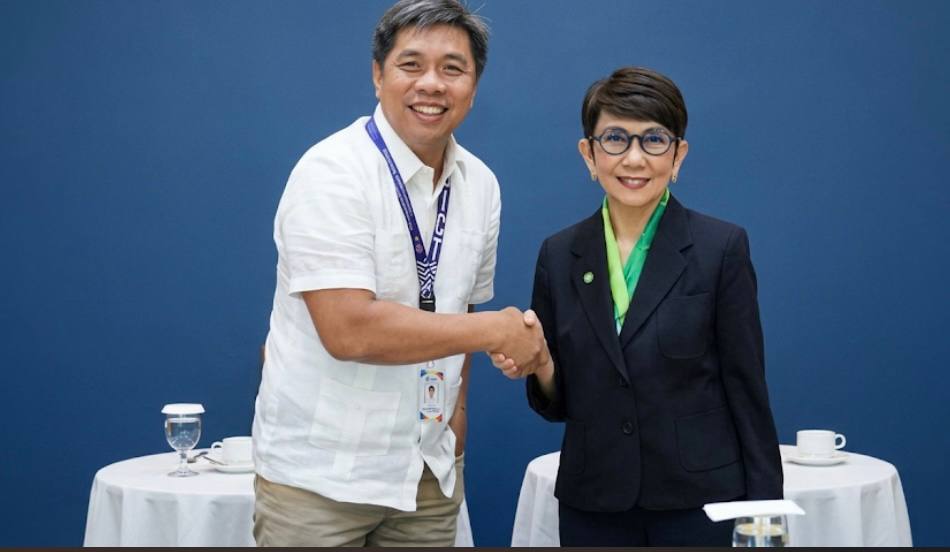
Following the launch at an MSME fair, Condez-de Sagon also met with Naga City Mayor Leni Robredo to discuss further digital cooperation. DICT pledged to support connectivity for the city’s disaster resilience systems, and will look into providing assistance for the proposed Command and Control Center and Intelligent Surveillance System.
This rollout is part of the Marcos administration’s wider push to modernize government services, upgrade digital infrastructure, and boost the performance of local industries. MSMEs make up over 99 percent of all businesses in the country and employ the largest share of the Filipino workforce. “Our goal is to make technology something that MSMEs and local governments can truly use to solve daily concerns, deliver better services, and open up more opportunities for their communities,” Condez-de Sagon said.