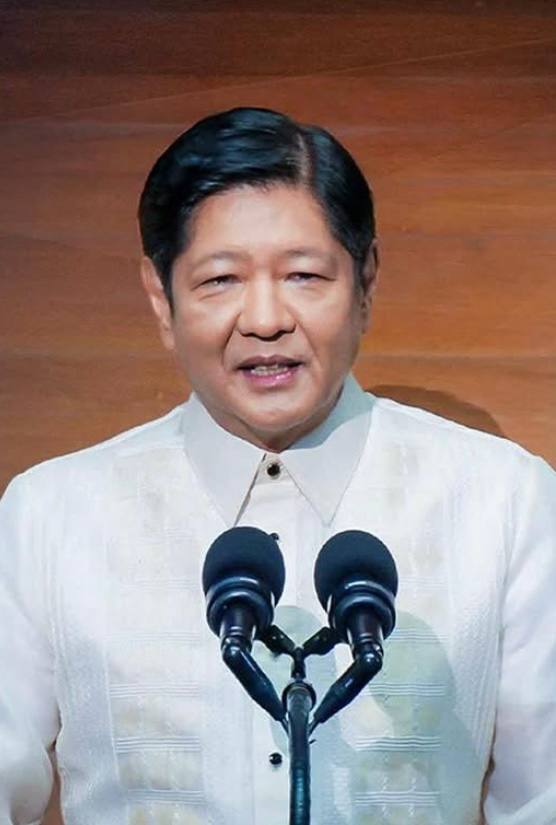
President Ferdinand Marcos Jr. highlighted major energy reforms during his State of the Nation Address, focusing on adopting nuclear energy and removing system loss charges from electricity bills. The President expressed confidence that exploring nuclear power generation could strengthen national energy security and drive down power costs. To support this transition, the government has updated its emergency preparedness plans, while technical training agencies are working to build a skilled local nuclear workforce. The Department of Energy aims to establish at least 1,200 megawatts of nuclear capacity by 2032, expanding to 4,800 megawatts by 2050, and plans to host an international nuclear supply chain forum in Manila later this year.
Alongside long-term energy plans, Marcos urged Congress to amend the Electric Power Industry Reform Act to eliminate system loss charges, stating that consumers should not be financially penalized for energy wasted during distribution. System losses stem from both natural technical resistance during power transmission and non-technical factors like power theft and equipment error. While consumer advocate groups welcomed the initiative to remove unfair fees, they argued that broader reforms are needed to tackle high fuel costs. Meanwhile, electric cooperative representatives cautioned that completely removing technical loss recovery without a government subsidy could financially jeopardize distributors operating in remote regions, suggesting instead that the government provide funding for grid upgrades or establish tailored, performance-based loss caps.