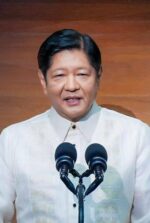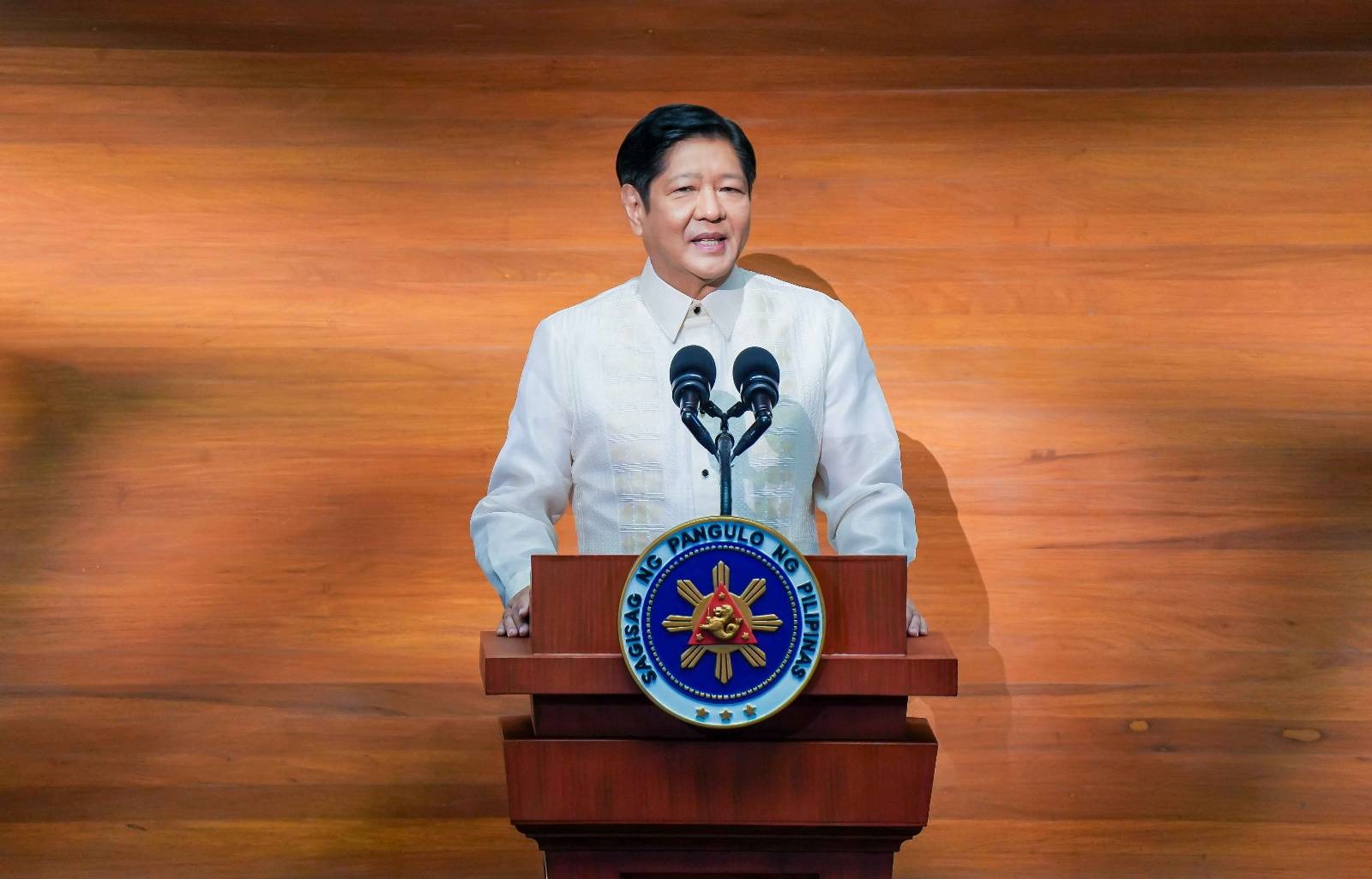
President Ferdinand Marcos Jr. used his fifth State of the Nation Address on Monday to present an agenda centered on lowering household costs, strengthening energy security and accelerating infrastructure, signaling a renewed focus on economic resilience as global uncertainties persist.
The President outlined a broad package of initiatives spanning tax relief, power generation, transport modernization, healthcare and investment promotion, framing them as key pillars of the administration’s push for greater self-sufficiency and long-term growth.
On taxation, Marcos highlighted a one-time tax abatement program for micro-entrepreneurs, saying the measure would help small businesses recover from losses sustained during recent economic disruptions. He also renewed his call for broader tax reforms aimed at easing the burden on workers, the middle class and small enterprises.
Energy security emerged as another centerpiece of the address. Marcos said the government is fast-tracking nearly 200 energy projects while expanding renewable energy and battery storage to improve supply reliability. He also cited the extension of the Malampaya gas service contract, the awarding of new petroleum and hydrogen exploration contracts, and renewed discussions on nuclear energy as part of efforts to lower electricity costs and reduce dependence on imported fuel.
Transport remained a major focus, with the President pointing to diesel subsidies, cash assistance, free rides, service contracting and fare discounts that have helped cushion commuters and transport workers from rising fuel prices. He announced that the Valenzuela-Malolos segment of the North-South Commuter Railway and the first 12 stations of MRT-7 are scheduled to open next year, while rail services are expected to reach Clark before the end of his term. Marcos also reaffirmed support for the public utility vehicle modernization program and wider electric vehicle adoption.
In healthcare, the President highlighted the expansion of preventive care under the YAKAP program, broader PhilHealth benefits through the GAMOT initiative, value-added tax exemptions for more than 2,000 medicines, Zero-Balance Billing in Department of Health hospitals and the planned establishment of a Virology and Vaccine Institute.
Marcos also promoted the AI-driven Pax Silica Industrial Hub as a future center for advanced manufacturing and logistics while underscoring the Philippines’ participation in ASEAN initiatives on food, digital and energy security, including the proposed ASEAN Power Grid, as the government seeks to strengthen both domestic resilience and regional economic integration.