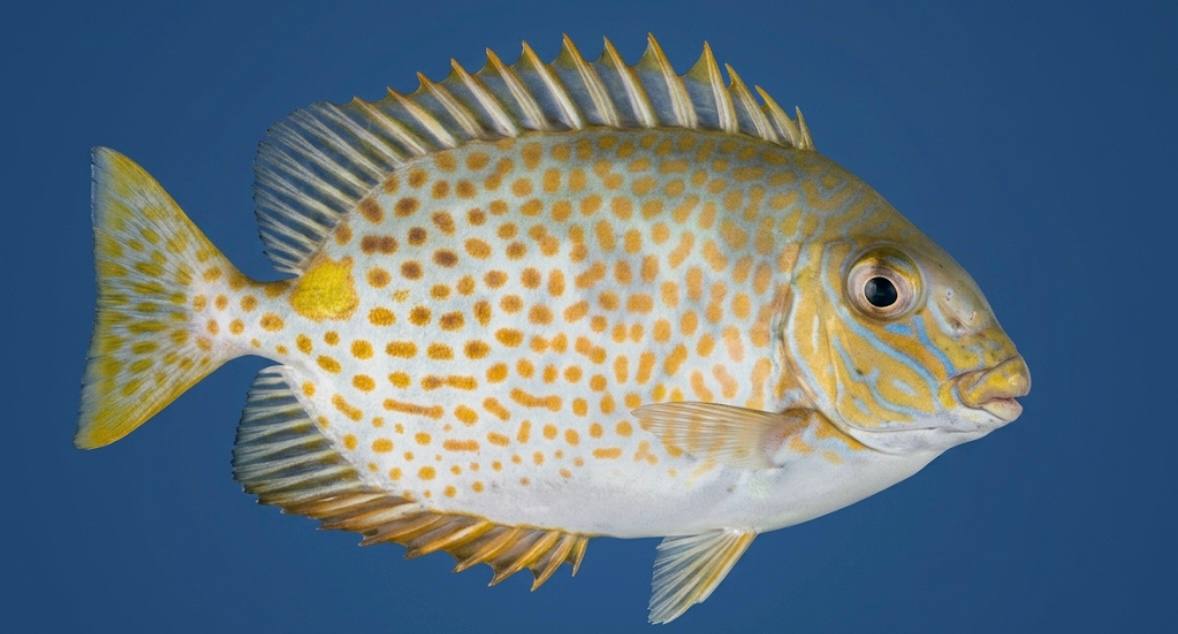
The Bureau of Fisheries and Aquatic Resources (BFAR), under the Department of Agriculture, is pushing to expand the culture of samaral or siganids, more commonly known as rabbitfish, as a key part of plans to diversify the country’s aquaculture sector and generate more stable livelihoods for fisherfolk and fish farmers. In a statement released Tuesday, the agency noted that samaral is a highly promising species supported by proven farming methods, rising output, and a ready existing market of consumers.
Also referred to locally as danggit, kitong, malaga, or padas depending on the area and specific variety, samaral is already well known in coastal communities across the country. Its firm white flesh, distinct taste, and suitability for a wide range of Filipino dishes have built a solid base of regular buyers that can support further growth of the industry. Unlike many fish types still being tested for commercial farming, samaral already has fully established processes covering controlled breeding, hatchery production of young fish, nursery care, and full grow-out operations. Experts have also confirmed steady year-round supply of fry for the most common variety Siganus guttatus, laying down a reliable technical foundation for wider adoption.
The species also offers practical benefits for producers, as it can be raised in brackish water ponds and other existing aquaculture facilities, and can feed on natural algae and selected seaweeds alongside commercial feeds, giving farmers more flexibility in managing their operations. Official data from the Philippine Statistics Authority shows samaral output from fish farms climbed from 153.89 metric tons in 2021 to 361.57 metric tons in 2025. While current production remains smaller compared to more established aquaculture products, this upward trend highlights clear potential for further expansion and broader commercial use.
BFAR national director Elizer Salilig said that giving fisherfolk direct access to proper technology and reliable market links will be key to raising production across the country. He added that turning samaral into a major aquaculture commodity requires closer coordination across all parts of the supply chain, from farming to distribution. Beyond boosting harvest volumes, the agency also aims to increase the value of the product through better post-harvest handling, with options to process the fish into dried, smoked, marinated, deboned, and ready-to-cook items for different market segments. “Developing this species is about more than just increasing fish supply—it is about building a stronger, full value chain that delivers sustainable income and better lives for all those working in our fisheries sector,” Salilig explained.