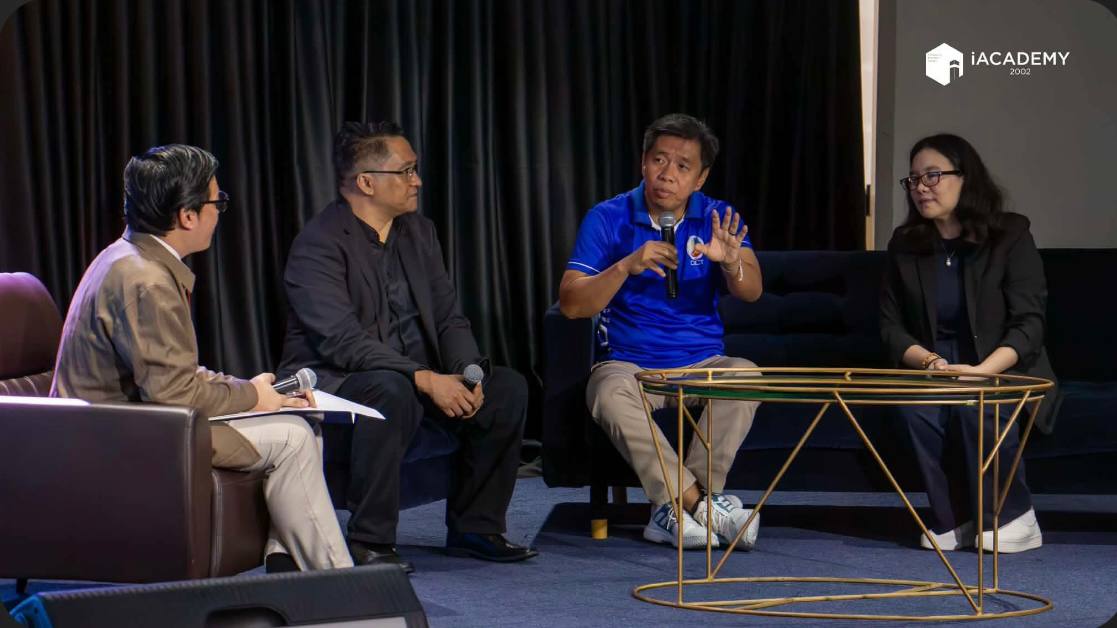
Student safety today goes far beyond school grounds, covering physical security, mental health, and responsible online behavior as one closely linked system. To address this, iACADEMY hosted Share XP 2026, its yearly inter-school safety and wellness forum, bringing together government agencies, education officials, and industry experts to work together for the welfare of Filipino learners. Raquel Perez-Wong, president and COO of iACADEMY, said that when government support, school leadership, and parental guidance work as one, schools become not just safe but powerful places for children to reach their full potential.
Atty. Asmenah Barambangan, chief technical specialist of the Second Congressional Commission on Education (EDCOM 2), explained that young people no longer separate their online and offline lives—conflicts or friendships from school often continue online, so protection measures must match this reality. She noted the focus should not be on whether children use technology, but on how they use it and who guides them. Mary Lizabeth Lu, president of the Game Developers Association of the Philippines, pointed to three practical safeguards for parents and schools: device and gaming platform controls, age-based content ratings, and lessons on proper online behavior. She added that technology itself is neither good nor bad, and the goal is to teach children to use it safely and confidently.
Atty. Razzel Anne Requesto from the Department of Education shared that the department runs regular mental health screenings and health checks throughout the school year to spot students needing help early, and is placing more guidance staff nationwide to expand support. Department of Information and Communications Technology Secretary Henry Aguda advised schools and families to call 1326 or email 1326.gov.ph if children encounter harmful online content. Reports are reviewed by artificial intelligence, with coordination with law enforcement and education authorities done within 24 hours, and a national Threat Monitoring Center will open next month as the main hub for responding to online dangers.
iACADEMY also presented its Safe Space framework, which includes physical security measures such as digital entry gates, metal detector checks, and CCTV, alongside mental health support from its counseling team and the long-running “We are Bullyproof” campaign. Staff have also completed emergency response drills and training to handle crises with care. School principal Paolo Antonio Noceda and guidance head Anna Fernandez offered these measures as a flexible guide other schools can use, with Fernandez saying the team will help others set up their own systems because a network of safe schools protects children far better than one alone. The school also launched its first Safe Space Grant to support high schools that shared their own safety plans at the event, extending its efforts beyond its own campus. Noceda said keeping students safe is more than a rule—it is a serious responsibility, as parents trust schools to look after their most precious charge.