Maynilad Water Services Inc. expects sustained investments in water and wastewater infrastructure to underpin its long-term growth after delivering stronger earnings and operational improvements in the first half of 2026.
The west zone concessionaire posted a 14 percent increase in net income to P8.51 billion in the January-to-June period, while revenues rose 4.1 percent to P19.11 billion, supported by higher billed water volume and a growing customer base. EBITDA climbed 7.5 percent to P13.70 billion, lifting its EBITDA margin to 71.7 percent from 69.4 percent a year earlier as network efficiency improved and costs remained under control.
Capital expenditures reached P12.89 billion in the first six months, up 18.9 percent from a year ago, reflecting continued investments in water supply, distribution networks, wastewater treatment facilities and customer service enhancements.
The spending also translated into measurable operational gains. Service coverage improved to 94.99 percent, while 24-hour water availability at minimum pressure increased to 92.1 percent. Maynilad likewise reduced non-revenue water to 29.7 percent as of end-June from 35.25 percent a year earlier, allowing the utility to recover more treated water and improve overall system efficiency.
The company also expanded wastewater coverage to 88 percent from 85 percent. Sewerage coverage rose to 26 percent, while sanitation coverage increased to 62 percent, reflecting continued investments in environmental infrastructure alongside water distribution.
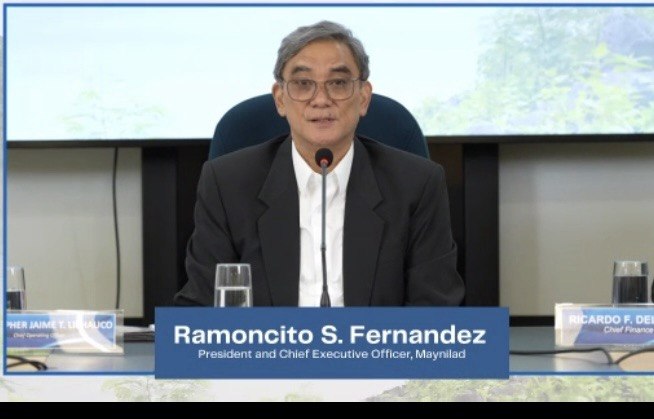
“Our first-half performance reflects continued progress in improving service delivery, enhancing network efficiency, and expanding wastewater and sanitation coverage,” Maynilad President and Chief Executive Officer Ramoncito S. Fernandez said.
He said the company remains committed to strengthening water supply and network resilience through sustained capital investments that support better customer service and create long-term value for stakeholders.
The results suggest that infrastructure spending is delivering both operational and financial returns. For regulated utilities such as Maynilad, improving efficiency while expanding essential services remains central to sustaining earnings growth as urban demand for reliable water and sanitation continues to increase.