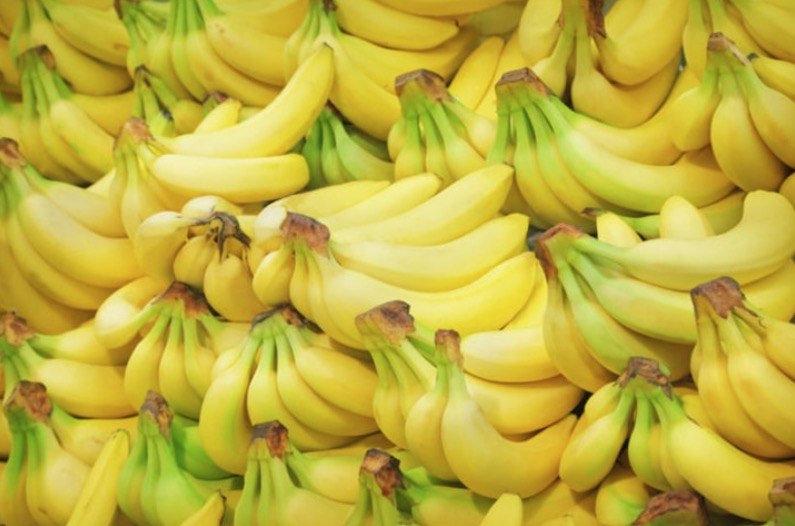
The Philippines is seeking to regain its position as Japan’s top banana supplier as Manila pushes for lower tariffs in the ongoing review of the Japan-Philippines Economic Partnership Agreement (JPEPA).
Trade Secretary Cristina Roque said negotiations are progressing smoothly, with both sides aiming to conclude the review by November. A deal could eventually eliminate Japan’s seasonal tariffs on Philippine bananas, which currently range from 8 percent to 18 percent.
“There is an opportunity for us to become the number one [banana supplier] again,” Roque told reporters on the sidelines of the ASEAN Business and Media Exchange 2026.
“We want to reach number one, but we need to conclude the JPEPA review. If everything goes as planned, we should conclude it by November,” she said.
Roque said the Philippines is seeking zero tariffs, which would improve the price competitiveness of local bananas against suppliers in the Japanese market.
“Now, the tariff is 8 percent to 18 percent, depending on the season. But with Japan, in the end, zero, that’s what we want. But let’s wait for the final [agreement],” she said.
The talks could also involve wider market access for Japanese vehicles, suggesting that tariff concessions will be part of broader negotiations rather than a one-way arrangement.
Roque said Japan is receptive to the discussions and both sides remain committed to the November target. The review also covers more Philippine banana varieties than previous negotiations, potentially expanding export opportunities for growers.
For Philippine producers, the stakes extend beyond reclaiming market leadership. Lower tariffs could improve margins and competitiveness in Japan, one of the country’s most important banana markets, while broader product coverage could give growers more room to diversify exports.
Roque said the negotiations remain on track, although the final terms have yet to be agreed.