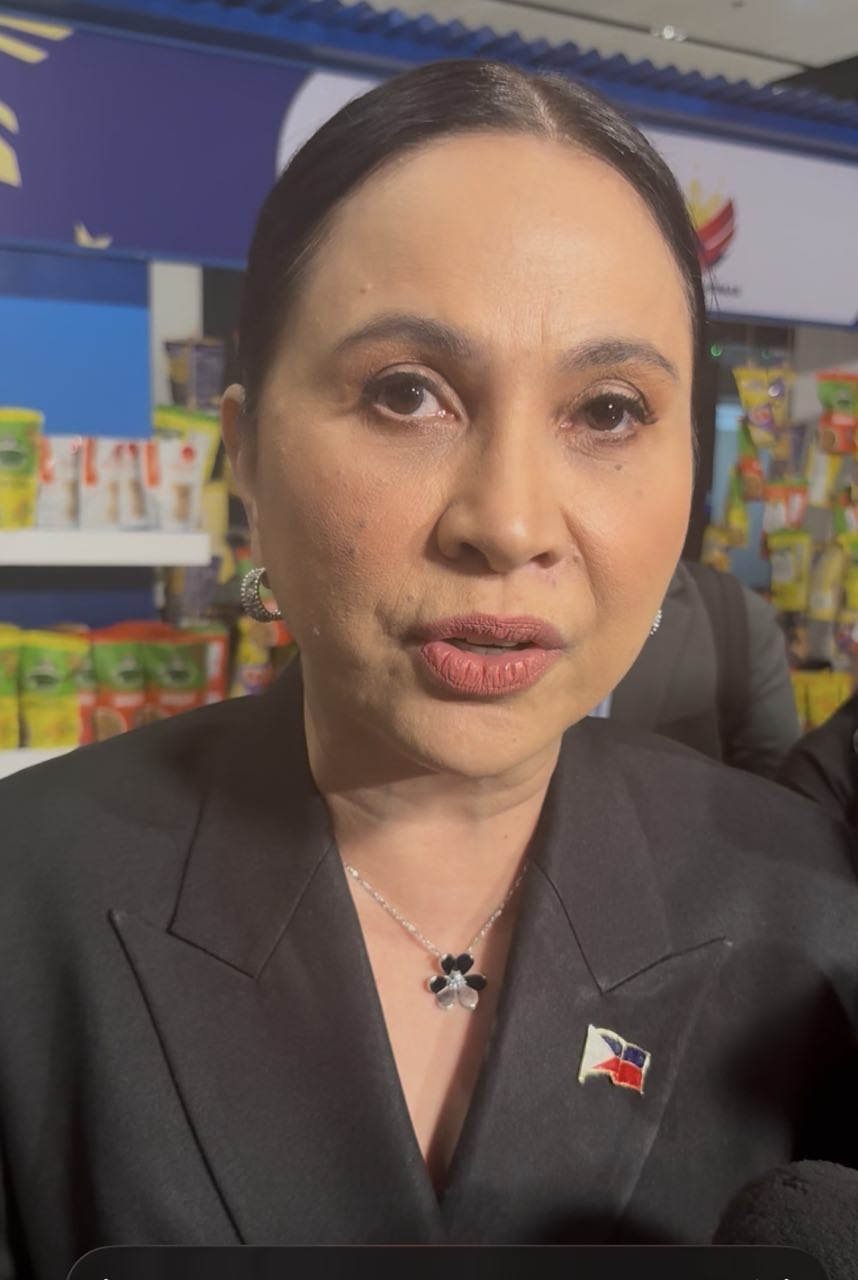
The Philippines’ push for an ASEAN oil stockpiling mechanism is gaining momentum, with five countries signaling support for a regional system designed to cushion members from future supply disruptions, Trade Secretary Cristina Roque said.
Speaking at the ASEAN Business Media Exchange, Roque said the initiative was proposed by President Ferdinand Marcos Jr. after recent disruptions highlighted the region’s vulnerability to oil supply shocks.
“Kasi ’di ba nagka-problem tayo sa oil. So he had an initiative to have the stockpiling,” Roque said.
The Economic Research Institute for ASEAN and East Asia (ERIA) is conducting a study on the proposed mechanism, with results expected by November.
Roque said five ASEAN countries have already signaled their willingness to participate, although she declined to identify all of them pending confirmation. She cited Malaysia as one of the countries that has expressed support.
The United Arab Emirates has also indicated that it is willing to supply oil to countries prepared to provide storage facilities, Roque said.
The proposal could move forward even without full participation from the 10-member ASEAN bloc.
“Even if not all the ASEAN countries agree, at least those countries that have already agreed… we can get started on this,” she said.
A regional stockpiling system could give participating economies access to emergency supplies during periods of severe disruption, adding another layer of protection against volatile global oil markets and supply shocks.
“Para just in case magka-problem ulit, we can rely on the different ASEAN countries for this,” Roque said.
The arrangement could also allow countries with available storage capacity to play a larger role in supporting neighbors during an energy emergency, while giving participating governments another tool to manage supply risks.
However, the structure of the proposed system has yet to be finalized. Roque said the terms for stockpiling, storage, access to reserves, and participation would depend on the findings of the ERIA study.
For the Philippines, the initiative could mark a shift from responding to oil supply disruptions as they occur toward building a regional buffer before the next crisis hits.