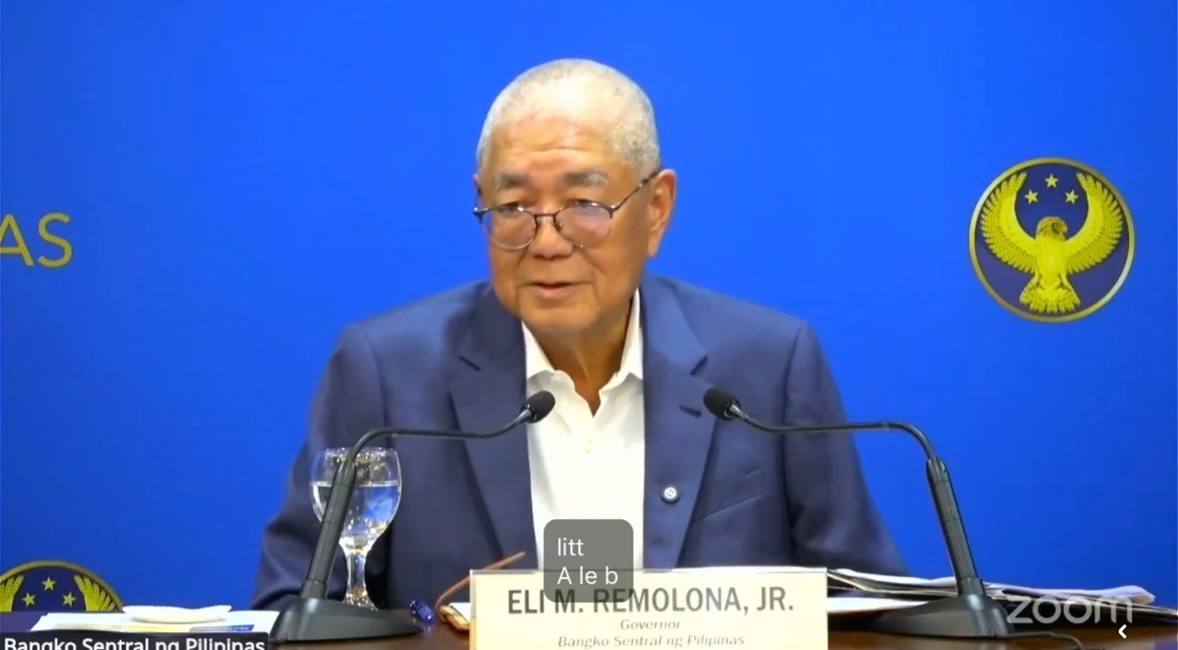
The Philippine financial system remains solid even amid difficult global conditions, the Financial Stability Coordination Council (FSCC) confirmed during its 46th Executive Committee meeting held at the Bangko Sentral ng Pilipinas (BSP) headquarters in Manila. FSCC Chairman and BSP Governor Eli M. Remolona, Jr. noted that global risks are still high, driven by geopolitical tensions in the Middle East and unstable financial markets, but emphasized the system is well-placed to absorb any shocks. This stability carries major significance for the broader economy, as it means financial institutions can keep supporting growth even when external circumstances are tough.
The FSCC reported the sector is backed by strong capital and liquidity buffers, as well as careful risk management practices. These strengths allow banks and other institutions to maintain steady lending to both households and businesses, which is vital for sustaining economic activity. Private-sector credit continues to grow at a healthy pace, reflecting solid consumer spending and business financing needs. Consumer lending is helping drive domestic demand, while corporate borrowing supports investments and day-to-day operational requirements. Although real estate makes up the largest share of banks’ loan portfolios, overall asset quality remains stable, signaling that investments are holding their value and risks are manageable.
Looking ahead, key challenges have been identified through the FSCC’s annual Survey of Salient Risks, which began in 2025 and gathers input from banks, non-bank financial firms, corporations, government bodies, the insurance sector, and the academe. The July 2026 survey flagged geopolitical strains, cyberattacks, and global supply chain disruptions as top concerns to watch over the short to medium term. These factors could potentially disrupt operations, increase costs, or limit access to financing if not properly addressed.
To turn these challenges into opportunities for stronger preparedness, the FSCC is rolling out several key improvements. It is enhancing oversight of non-bank financial intermediaries to ensure their sound and sustainable growth, which broadens the financial system’s reach and stability. The council is also upgrading data collection and information sharing among its members—comprising the BSP, Department of Finance, Insurance Commission, Philippine Deposit Insurance Corporation, and Securities and Exchange Commission—to ensure all sides have timely and accurate insights. Additionally, it is strengthening assessments of liquidity, debt levels, market concentration, and connections between banks, non-banks, corporations, and financial markets.
Early detection of vulnerabilities is central to these efforts, as it enables authorities and market players to put better safeguards and contingency plans in place. This proactive approach helps limit the impact of any shocks on ordinary households, businesses, and financial institutions. Governor Remolona explained that the FSCC’s goal is to stay ahead of risks through close monitoring, quick information exchange, and strong coordination among its members. By doing so, the council not only addresses immediate threats but also builds a more robust and adaptable financial framework that can support long-term economic development and withstand future global uncertainties.