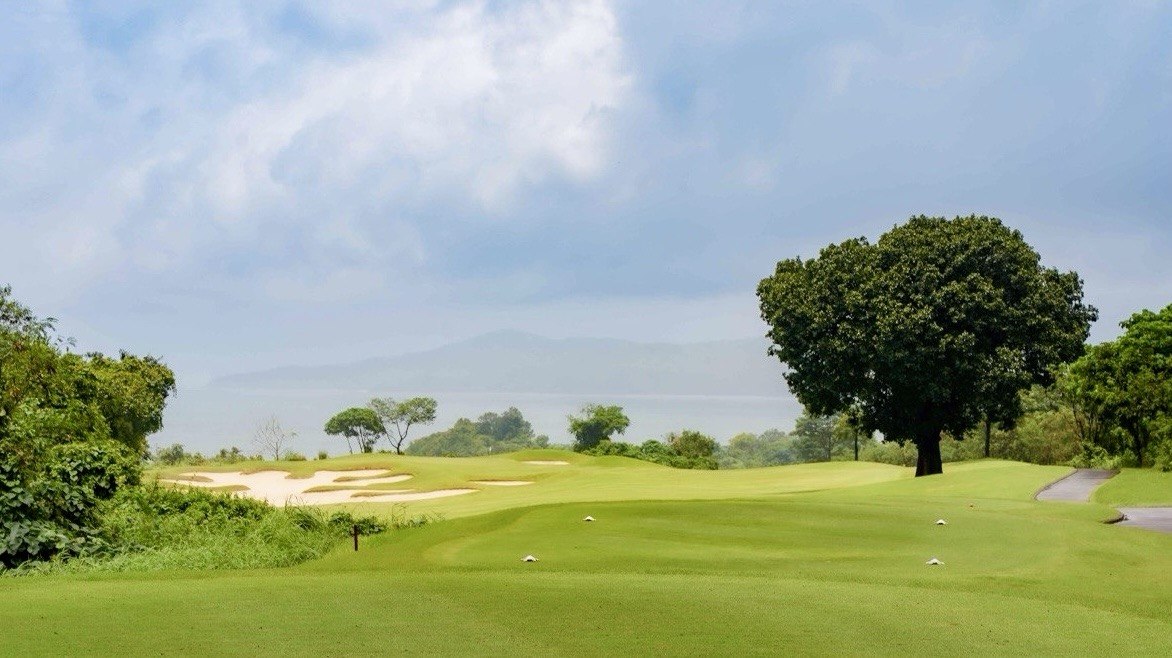
Anvaya Cove Golf Course has retained its No. 1 ranking in Southeast Asia and climbed to 15th in Asia, strengthening the Philippines’ pitch for high-value golf tourism while adding prestige to the country’s premium leisure property market.
The 18-hole, par-72 championship course in Morong, Bataan moved up four places from 19th in 2024 and kept the top Southeast Asian ranking for a second consecutive year.
The course posted the highest ranking by a Philippine golf course on the regional list, giving the country a stronger calling card in a competitive Asian golf tourism market.
The recognition can influence destination choices among international golfers, particularly travelers from major markets such as South Korea and China, where golf tourism is well established.
Anvaya Cove is about 25 minutes from the Subic Bay Freeport Zone and accessible from Metro Manila through NLEX and SCTEX, placing the Ayala Land Premier estate within the Subic-Clark tourism and investment corridor.
The ranking was based on assessments by 74 golf industry experts and committee members from 12 countries. Courses were judged on design and strategic challenge, facilities, service, and the overall golfer experience.
Anvaya ranked against an estimated 7,200 golf courses across Asia, with judges recognizing a layout shaped by Morong’s natural terrain, including elevation changes, coastal winds, and views of the Zambales Mountain Range, Mount Natib, and Subic Bay.
The accolade also strengthens the residential proposition of Anvaya Cove, Ayala Land Premier’s first seaside leisure estate. The championship course anchors a broader lifestyle offering that includes beach and nature amenities.
“Being able to win this award for two consecutive years and being the first in Southeast Asia is an achievement,” Anvaya Cove Golf & Sports Club General Manager Raymond Bunquin said.
For Philippine tourism, the ranking offers more than bragging rights. A stronger position on Asia’s golf map could help the country attract affluent travelers who typically spend on accommodation, dining, leisure, and other destination experiences.
It also gives Philippine developers another selling point as premium leisure estates compete for buyers seeking resort-style communities with internationally recognized amenities.