The Philippines is tightening its fight against forced labor as tougher labor standards in major markets increasingly turn worker protection into a trade and export competitiveness issue.
The International Labour Organization (ILO) and the Canadian government have launched a four-year initiative to strengthen the country’s capacity to prevent and address forced labor, particularly in tradeable sectors such as agriculture and manufacturing.
The Promoting Responsive Institutions and Mechanisms to Eliminate Forced Labour in the Philippines (PRIME PH) project will run until February 2030, focusing on gaps in enforcement, worker protection, forced labor detection, and access to remedies.
The initiative comes as trading partners impose stricter requirements on companies and supply chains. Canada has prohibited imports of goods produced wholly or partly through forced labor since 2020 and is further strengthening its import-ban framework.
For Philippine exporters, compliance is becoming increasingly important as Manila and Ottawa explore a potential bilateral free trade agreement, while Canada is also pursuing an FTA with ASEAN.
“Protection from forced labour is fundamental to decent work, human dignity, and fair competition,” Labor Secretary Francis Tolentino said, adding that stronger labor standards could improve the Philippines’ position in global trade.
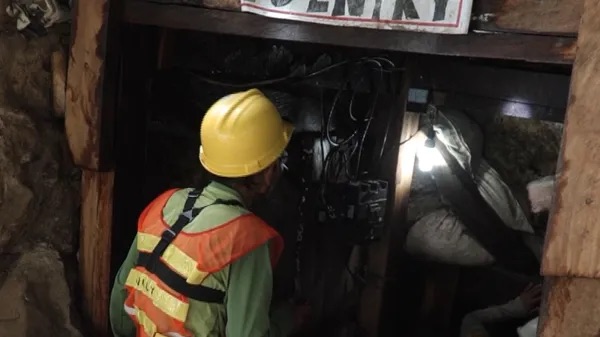
ILO Philippines Director Khalid Hassan said forced labor risks are particularly significant in agriculture, manufacturing, and mining, where cases can be difficult to identify.
PRIME PH will bring together government, employers, and workers to strengthen institutions, policies, enforcement mechanisms, and responsible business practices.
Beyond protecting workers, the initiative carries a direct economic stake for Philippine businesses. Stronger safeguards can help companies demonstrate cleaner supply chains, reduce the risk of trade restrictions, and preserve access to markets where labor standards are becoming part of import and sourcing decisions.
Eliminating forced labor is increasingly not just a compliance requirement for exporters, but a condition for remaining competitive in global supply chains.