Tuesday at the Asian Games handed Gilas Pilipinas women two very different basketball lessons. The 3×3 side found its footing, while the 5×5 squad was reminded that the climb remains a steep one.
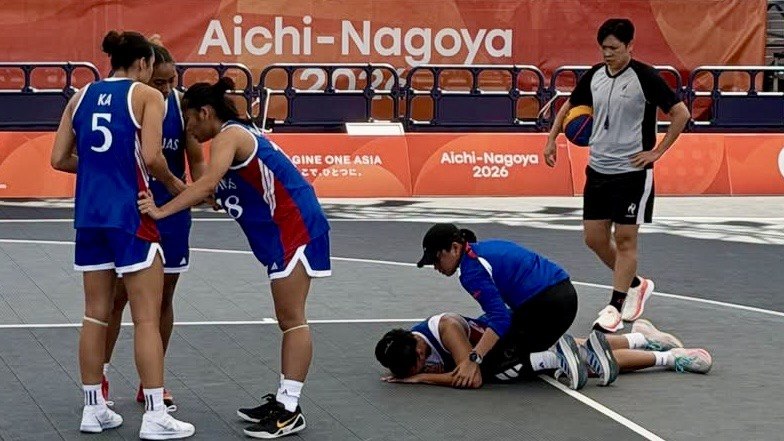
In the women’s 3×3 U-23 competition, Gilas opened its medal campaign with back-to-back victories over Mongolia and Macau at Kinju Futo Station Square, securing a place in the knockout stage.
Kacey dela Rosa was the difference against Mongolia, scoring 10 points in a 17-12 victory that was considerably harder than the final score suggested. The Ateneo standout rolled her ankle early, but returned with a limp and eventually took over when Gilas needed her most.
The Philippines trailed 11-10 before dela Rosa rattled off five straight points, accounting for eight of Gilas’ final nine as Mongolia’s resistance finally gave way.
Against Macau, there was little drama. Maria Pasilang, Kennan Ka and Amyah Espanol did most of the damage as Gilas cruised to a 21-4 rout.
The Philippines faces Malaysia on Wednesday for the Group B top spot and a direct berth in the quarterfinals.
The 5×5 team, meanwhile, found a much tougher lesson waiting.
Japan beat Gilas Women, 89-67, sending the Philippines into the knockout stage rather than directly into the quarterfinals.
The margin was built largely on the glass. Japan outrebounded the Philippines, 42-30, including 24 offensive rebounds that repeatedly gave the hosts second chances. Too often, Gilas was watching the ball instead of carving out space to get it.
Defense, another priority for head coach Pat Toews since taking over three months ago, remains a work in progress. Japan’s guards repeatedly turned the corner off the dribble, while pick-and-rolls and cross-matches exposed gaps in the Philippines’ defensive structure.
The defeat offered no great mystery, but it did provide a useful measuring stick.
The 3×3 team moves on with momentum. The 5×5 squad moves on with homework.