Mitsubishi Corp.‘X planned USD700-million investment in Ayala Corp. could help accelerate infrastructure, energy, logistics and digital projects under the Luzon Economic Corridor (LEC), deepening Japanese participation in the Philippines’ industrial development while raising expectations for stronger private-sector investment.
The deal, equivalent to about P44.5 billion, will raise Mitsubishi’s stake in Ayala from 4.7 percent to 15 percent, strengthening a partnership that dates back to 1974. Beyond the equity infusion, the expanded relationship could provide a platform for the companies to pursue projects in strategic sectors, although the pace and scale of implementation will depend on specific investment commitments and project execution.
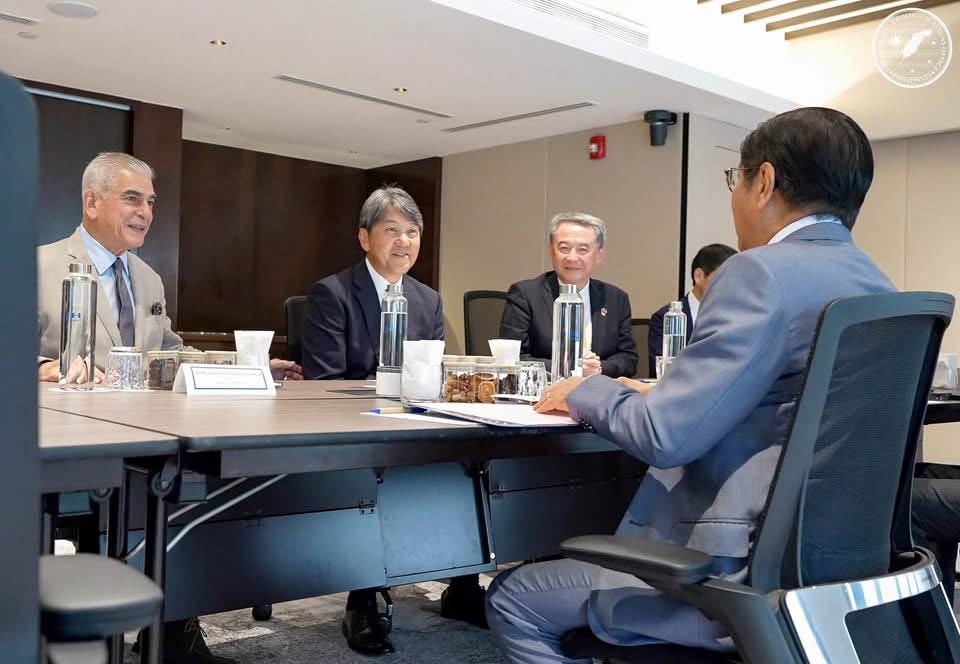
President Ferdinand Marcos Jr. met with executives from both companies in Singapore, where they discussed plans to expand collaboration in mobility, real estate, renewable energy and other industries. The discussions underscore the government’s push to translate high-level diplomatic engagements into commercial investments that support economic growth and industrial development.
Finance Secretary Frederick Go said the strengthened partnership could help advance projects aligned with the LEC, a strategic initiative intended to improve industrial connectivity, attract capital and create jobs.
“We are encouraged by the deepened partnership that Ayala and Mitsubishi are looking at in the Philippines, particularly those aligned with the Luzon Economic Corridor (LEC) initiative,” Go said.
The corridor is expected to play a role in strengthening the country’s manufacturing and logistics capabilities by improving connections among industrial centers and supporting investments in energy and other critical infrastructure. However, the broader economic benefits will hinge on how quickly proposed projects move from agreements and investment pledges to implementation.
The companies also reported progress on agreements associated with Marcos’ May 2026 state visit to Japan. These include plans for the Philippines’ first Intelligent City initiative in Makati and partnerships aimed at expanding digital financial services through GCash.
The developments reflect the breadth of the Ayala-Mitsubishi relationship, which extends beyond traditional infrastructure and property investments into digital services and emerging technologies. They also point to opportunities to connect Japanese capital and expertise with Philippine companies seeking to expand capacity in growth industries.
Marcos reaffirmed the government’s support for investors through fiscal incentives under the CREATE MORE Act, expedited approvals through the Green Lane mechanism and policies permitting full foreign ownership of renewable energy projects.
These measures are intended to reduce investment barriers and improve the Philippines’ competitiveness as companies reassess supply chains and seek opportunities across Southeast Asia. Their effectiveness, however, will depend on regulatory predictability, infrastructure readiness and the timely delivery of approved projects.
Mitsubishi’s increased equity position gives the Japanese conglomerate a larger stake in one of the Philippines’ major business groups, potentially creating greater scope for joint investments. Still, the USD700-million transaction should be distinguished from the value of future projects: the extent to which it translates into new infrastructure, employment and industrial output will depend on the companies’ subsequent investment decisions.
For the Philippines, the partnership offers another opportunity to convert diplomatic ties into private-sector capital and strengthen participation in regional supply chains. Whether it delivers a broader economic boost will ultimately depend less on the headline investment figure than on the projects completed, businesses supported and jobs generated.