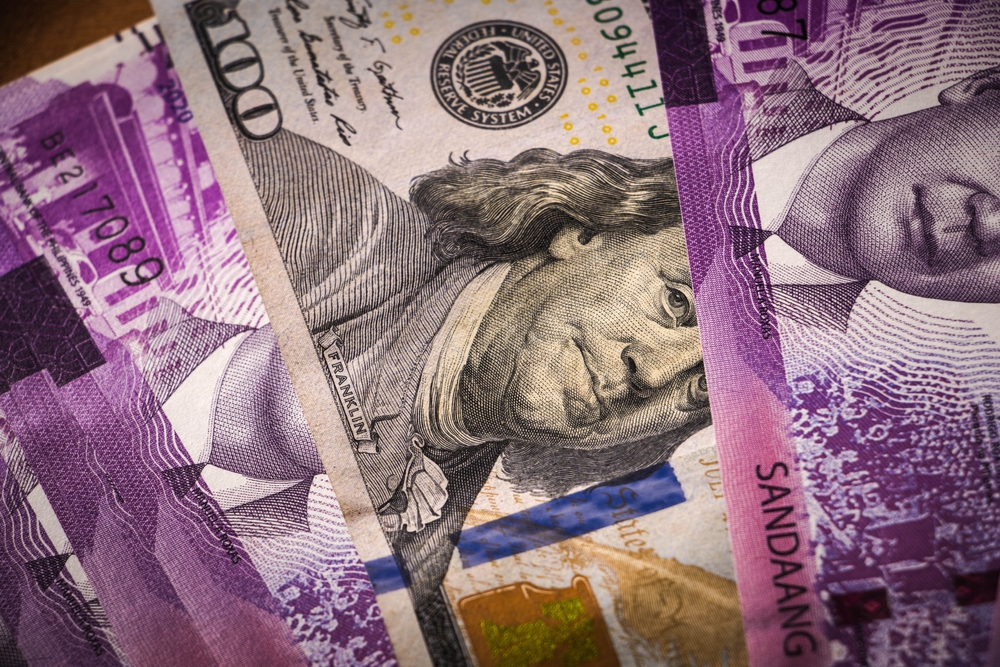
The country’s cushion against global financial instability narrowed at the end of September 2026, with the nation’s foreign exchange reserves slipping to $100 billion. Data released by the Bangko Sentral ng Pilipinas (BSP) shows that the dip in gross international reserves was primarily triggered by active foreign exchange market interventions, downward valuation adjustments in the central bank’s gold and foreign currency assets, and significant dollar withdrawals by the national government to pay down off-shore debts.
Despite the month-on-month decrease, the country’s current financial cushion remains structurally sound. The remaining $100 billion stockpile still offers a substantial safety net, capable of covering 6.3 months’ worth of imported goods, services, and primary income payments. Furthermore, the buffer covers short-term foreign debt maturities roughly 3.2 times over, ensuring the nation retains a reliable guardrail against sudden shifts in the global economy.
For the central bank, this drawdown reflects the delicate balancing act required to keep the local economy stable. By stepping into foreign exchange markets and utilizing its reserves, the BSP helps smooth out sharp fluctuations in the value of the Philippine peso. Maintaining a steady currency environment prevents rapid price surges on imported goods, allowing monetary policymakers to keep benchmark interest rates predictable and inflation under control.
For ordinary citizens and local enterprises, the reserve level serves as an important stabilizer in daily economic life. A secure foreign exchange buffer helps keep the cost of basic imported essentials, such as fuel, wheat, and electronics, from skyrocketing overnight. Local businesses that rely on overseas suppliers or carry foreign-denominated loans gain protection from volatile exchange rates, making it easier to plan investments, manage operational costs, and preserve local jobs.