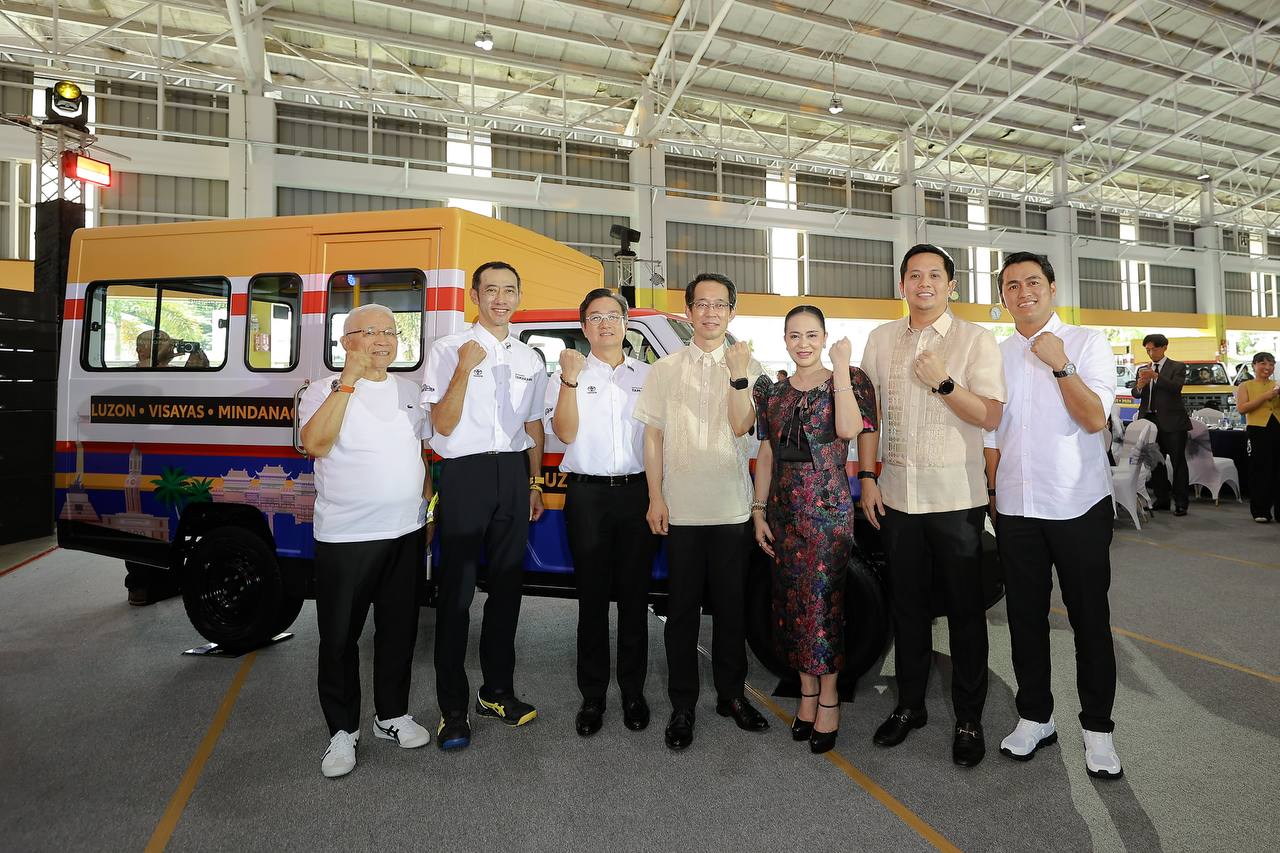
Toyota Motor Philippines Corp. (TMP) sees opportunities for additional investments in vehicle production and local supply chains as it enters the public utility vehicle (PUV) modernization market with the locally manufactured Tamaraw multipurpose utility vehicle (MPUV).
The move builds on TMP’s P5.5-billion investment in the next-generation Tamaraw, complemented by P500 million in supplier investments and a P5.5-million dedicated facility established by exclusive bodybuilder Almazora Motors Corp. for MPUV production.
TMP Chairman Alfred Ty said further investments would depend on market demand, particularly for vehicle conversions serving public transportation, logistics, telecommunications and emergency services.
“We’re always open to look at different applications of this vehicle,” Ty said, noting that TMP must first optimize its existing manufacturing capacity.
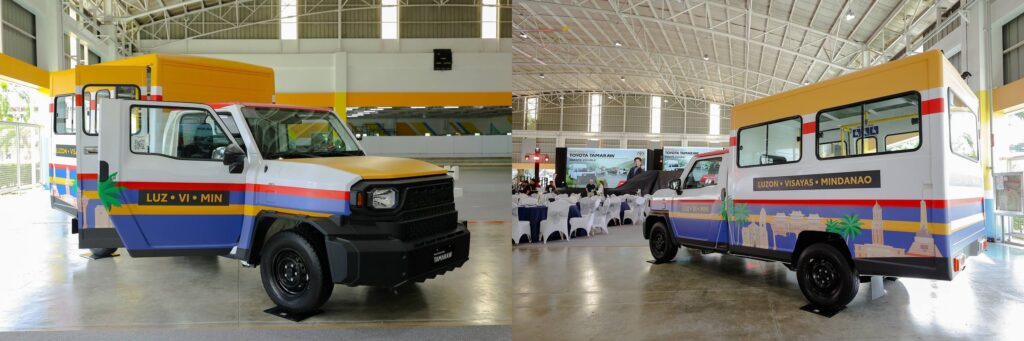
Ty also said the company was prepared to make additional investments to support the Tamaraw’s participation in the government’s Revitalizing the Automotive Industry for Competitiveness Enhancement (RACE) program.
Almazora Executive Vice President Conrad Almazora estimated the Tamaraw MPUV’s potential replacement market at 150,000 Class 1 jeepneys. The broader modernization program covers approximately 300,000 jeepneys across three vehicle classes.
TMP Senior Vice President Sherwin Chualim said the company initially targets monthly MPUV production of 15 units, with output to increase as orders grow. Total Tamaraw production currently ranges from 1,800 to 2,000 units monthly.
Almazora’s dedicated facility can produce 300 MPUV bodies monthly, with capacity for expansion, providing room to accommodate stronger demand.
Priced at approximately P1.1 million, the Tamaraw MPUV offers transport operators another option for fleet modernization. Financing payments start at P1,109 daily, while eligible operators may receive a government subsidy of P210,000.
However, adoption will depend on more than vehicle availability. Chualim said financing approvals, subsidy access and franchise requirements would influence how quickly operators acquire the units.
The initiative could deepen domestic manufacturing and supplier participation, although sustained investment will ultimately hinge on modernization demand and operators’ ability to finance fleet replacements.