The Philippines is seeking common electric vehicle (EV) charging standards and stronger cross-border supply chains across Southeast Asia to lower market barriers, attract investments and give local businesses greater access to the regional industry.
Energy Secretary Sharon Garin identified charging interoperability, harmonized standards, technology transfer and regional supply chain development as priorities for cooperation at the opening of the ASEAN EV Conference 2026 in Makati City on November 11.
“Progress on these fronts means fewer market barriers, more competitive industries, and new markets for Philippine enterprises,” Garin said.
She challenged policymakers, manufacturers, investors and technology providers to translate discussions into concrete partnerships, investments and commitments that would strengthen the region’s electric mobility ecosystem.
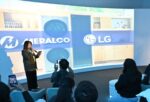
The two-day conference, themed “Driving ASEAN Forward,” comes as the Philippines seeks to expand its participation in the regional EV industry during its 2026 chairship of the Association of Southeast Asian Nations (ASEAN).
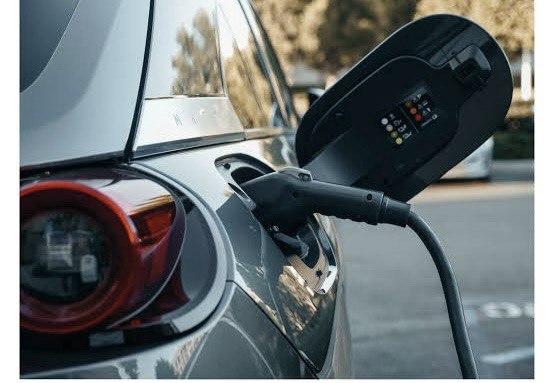
Common charging standards could make EV infrastructure more compatible across markets, while closer supply chain integration could help manufacturers and suppliers tap opportunities beyond their domestic markets.
Electric Vehicle Association of the Philippines (EVAP) president Willy Tee Ten said regional cooperation is also necessary to develop manufacturing capabilities and prepare workers for the transition to electric mobility.
“No country can decarbonize alone. No country can build a complete EV supply chain alone. No country can train a future-ready workforce alone,” he said.
Asian Federation of Electric Vehicle Associations president Edmund Araga said electric mobility offers opportunities to improve air quality, strengthen energy security and generate employment, but realizing these benefits requires coordinated policies, financing, charging infrastructure and manufacturing development.
The conference is jointly led by EVAP, the Department of Energy, Meralco, Meralco Power Academy and the e-mobility ASAP Project through Clean Air Asia.
Discussions continue on November 12, covering transport modernization, policy readiness, grid integration, charging infrastructure, supply chains and sustainability.