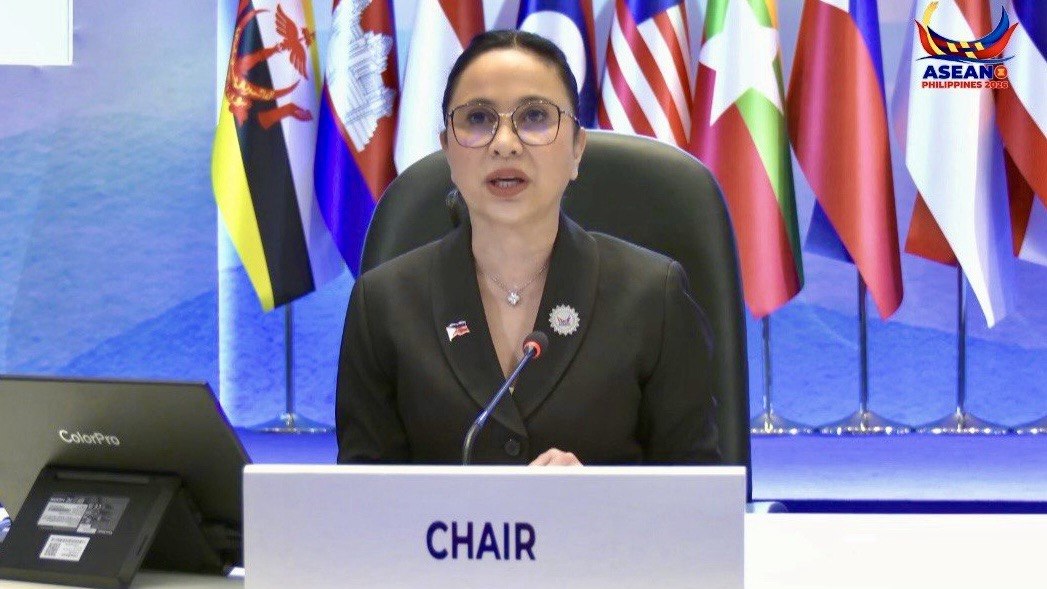
The Philippines is urging ASEAN members to finish outstanding economic commitments and carry them into the next phase of regional integration, warning that the success of the bloc’s economic agenda will depend on implementation beyond its 2026 chairmanship.
At the final ASEAN Economic Community (AEC) Council meeting under the Philippine chairship in Manila on Saturday, the country identified three priorities: completing its priority economic deliverables, advancing the AEC Strategic Plan 2026–2030, and preparing key reports and outcomes for the upcoming summit.
“As we review the Philippines’ priority economic deliverables, let us recognize our achievements while ensuring that the remaining deliverables are completed and sustained beyond 2026,” the Philippines said in its opening remarks.
It also called for effective coordination, consistent implementation and clear milestones to ensure the five-year strategic plan does not remain a collection of regional policy commitments.
“The real measure of this plan will not be the number of commitments we make, but the value they add to every business, consumer, worker, and community,” the remarks said.
The emphasis reflects the challenge facing ASEAN as it seeks deeper economic integration among its diverse member economies. Removing trade and investment barriers, improving connectivity and harmonizing rules can expand market opportunities, but their benefits depend on consistent implementation at the national level.
The Philippines also urged the council to give regional leaders a clear assessment of ASEAN’s economic position, the challenges that need attention and opportunities for collective action ahead of the summit.
Saturday’s meeting provided an opportunity to review progress under the Philippine chairship, identify unfinished commitments and establish priorities for the next phase of integration.
The Philippines thanked member states, the ASEAN Secretariat, sectoral bodies and officials for their cooperation throughout the year, particularly in advancing economic initiatives and building consensus.
The broader challenge, however, extends beyond securing agreement on regional priorities. ASEAN must ensure that commitments survive changes in chairmanship and deliver practical results across its 680-million-strong market.