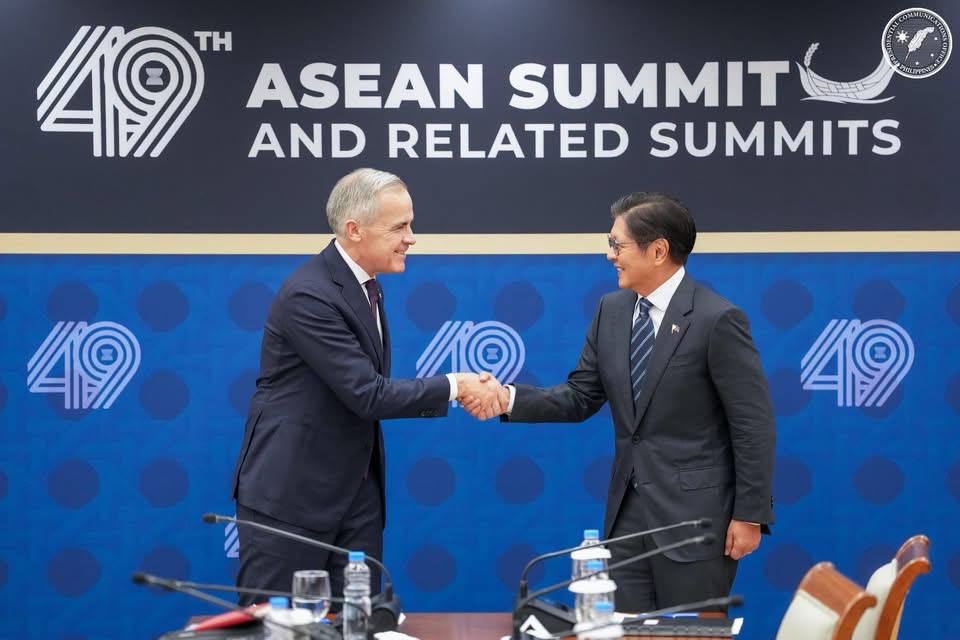
The Philippines and Canada have concluded negotiations for a bilateral free trade agreement (FTA), setting the stage for expanded market access, greater investment flows and new opportunities for exporters, service providers and small businesses.
President Ferdinand Marcos Jr. and Canadian Prime Minister Mark Carney announced the breakthrough during their November 14 meeting in Manila, with both governments targeting the signing of the agreement in 2027.
The deal covers trade in goods and services, investment, digital trade and small and medium enterprises. It could help Philippine exporters expand their Canadian customer base while opening opportunities for Filipino service providers, including those delivering services online.
However, the economic gains will depend on the agreement’s final provisions and implementation. The conclusion of negotiations does not immediately grant preferential market access, which will follow only after signing and the required domestic processes.
Canada expects the agreement to help triple its exports to the Philippines by 2035, underscoring opportunities for Canadian agricultural and forest products. This could also intensify competition for Philippine producers, even as local businesses gain access to additional supplies, technology and investment.
Two-way merchandise trade reached CAD3.4 billion in 2025, while Canada’s direct investment stock in the Philippines stood at approximately CAD1.7 billion.
The two leaders also discussed potential investments in transportation, agri-food, logistics and cold-chain infrastructure under the Luzon Economic Corridor, areas that could complement the trade agreement by improving the movement of goods and strengthening supply chains.
Separately, Canada announced the substantial conclusion of negotiations for a free trade agreement with ASEAN, also targeted for signing in 2027.
Ottawa estimates the regional agreement could add nearly CAD2 billion to its economy and generate almost 14,000 jobs in Canada.
For the Philippines, the bilateral and regional agreements could widen export markets, diversify sources of investment and strengthen participation in regional supply chains. But translating those opportunities into actual economic gains will depend on exporters’ ability to meet market standards, compete on price and take advantage of the improved access.