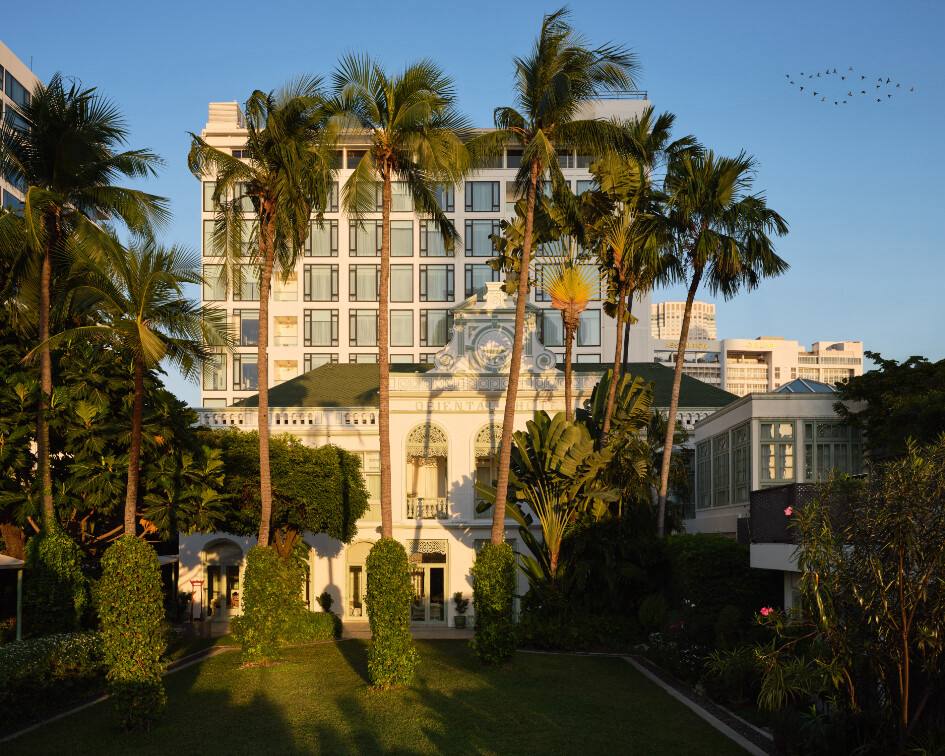
Ayala Land Inc. officially opened the new Mandarin Oriental Hotel at Ayala Triangle on Thursday, restoring a flagship hospitality brand to the country’s premier financial district more than a decade after the original property closed in 2014.
The launch marks a major operational milestone for the Ayala Group, strengthening its long-term push to modernize Makati and maintain its competitive edge as a global business and lifestyle hub. Owned by the company’s lodging arm, Ayala Land Hospitality, and operated by the Hong Kong-based Mandarin Oriental Hotel Group, the 275-room property serves as a central piece of the ongoing redevelopment of Ayala Triangle.
For Ayala Land, bringing the luxury hotel back into its portfolio is central to its broader corporate strategy of redeveloping mature urban estates to drive long-term value and international appeal.
“One of Ayala Land’s greatest strengths is our ability to continually reinvent the places we have built,” said Anna Ma. Margarita B. Dy, president and CEO of Ayala Land. She added that the company views Makati not merely through its past reputation, but for its future potential as an international destination that showcases the best of the Philippines.
Beyond expanding Ayala Land Hospitality’s luxury footprint, the project reflects the conglomerate’s emphasis on pairing global operational standards with local cultural preservation. Global architecture firm Skidmore, Owings and Merrill collaborated with local practice Leandro V. Locsin Partners to design the building, integrating Filipino art and craftsmanship throughout its interiors.
Company chairman Jaime Augusto Zobel de Ayala noted that the development carries forward the group’s legacy of community-focused urban planning while honoring local heritage. Inside the hotel, more than 100 salvaged architectural pieces from ancestral homes across the Philippines have been restored and woven into the modern spaces.
“Our partnership rests on a shared commitment to quality, a respect for heritage and care for the people that we serve,” Zobel said, crediting local artists, craftspeople, and project partners for executing the vision.
While the original Mandarin Oriental was a longtime fixture of Makati’s corporate and social life, Zobel emphasized that the reopened property is built to foster new business relationships and experiences for a younger generation, cementing Ayala Triangle’s role at the heart of the city’s commercial landscape.