Food poverty in the Philippines dropped significantly in the fourth quarter of 2025, driven largely by expanded rice subsidies and higher government spending on farm infrastructure, according to the latest OCTA Research Tugon ng Masa survey.
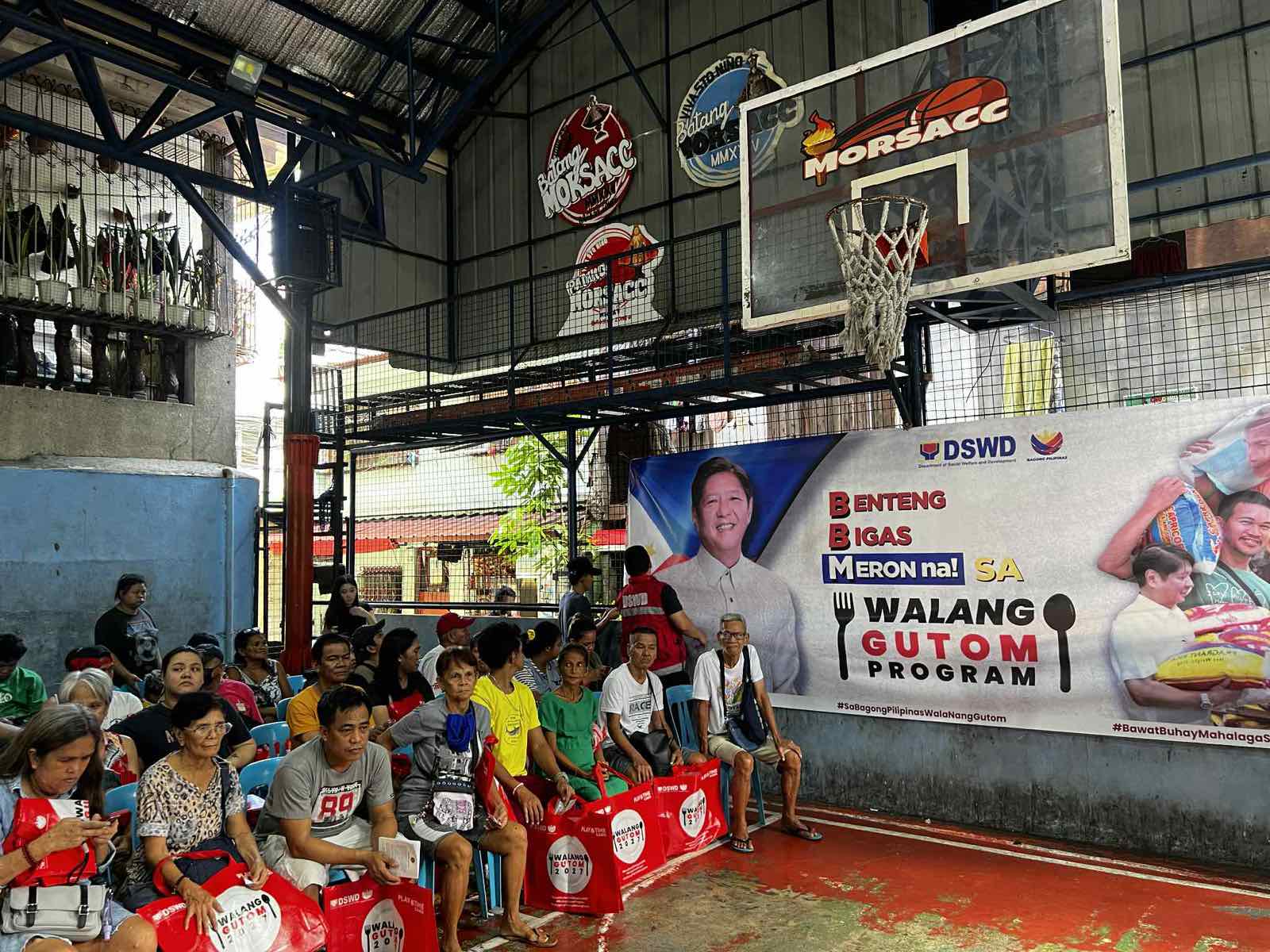
Self-rated food poverty fell to 30 percent in Q4 from 49 percent in the previous quarter—equivalent to about five million families no longer considering themselves food-poor. Overall self-rated poverty also declined sharply, from 54 percent to 37 percent, or roughly 4.5 million families. The gains coincided with the rollout of the government’s P20-per-kilo rice program and other measures aimed at stabilizing food prices and improving supply.
Agriculture Secretary Francisco P. Tiu Laurel Jr. said the results show that food policy interventions are easing pressure on household budgets. The government plans to expand the P20 rice program to cover 15 million households, or about 60 million Filipinos, and sustain it until 2028. Congress has also approved a larger budget for farm-to-market roads, storage, ports, and other infrastructure to cut food costs, reduce losses, and raise farm incomes.
While self-rated hunger increased to 16 percent from 11 percent, OCTA noted that most cases were occasional rather than chronic, pointing to short-term food stress. Analysts say the survey suggests that price controls, rice subsidies, and investment in food logistics are beginning to improve access to affordable food, but warn that sustained funding and supply management will be key to keeping food poverty down.