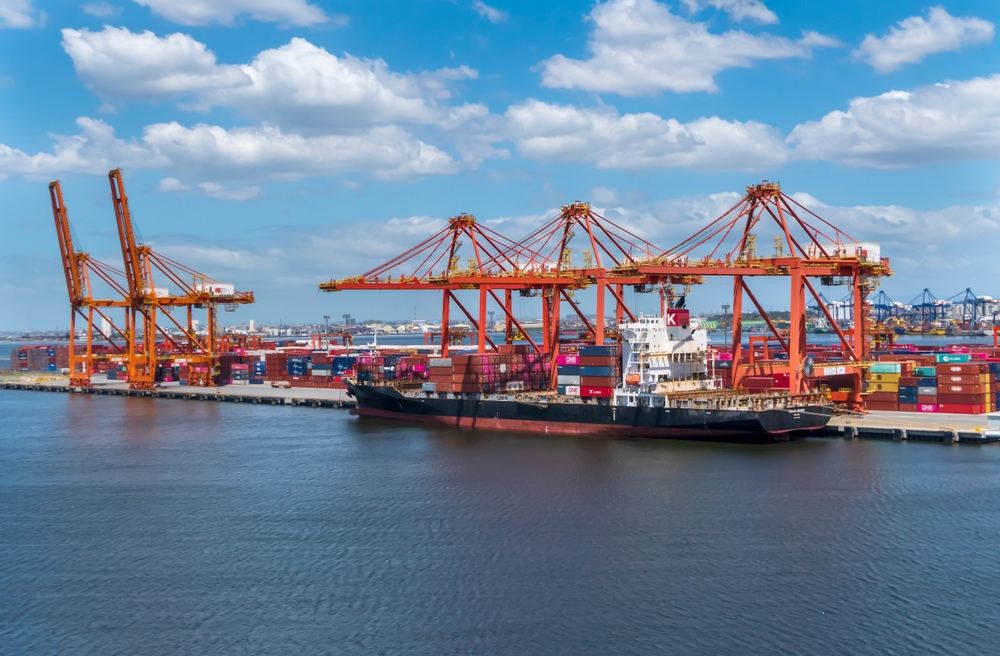
Manila’s port congestion problem is once again clogging the nation’s economic arteries—and experts say quick fixes won’t cut it. The real cure, they argue, lies in a structural rethink of how cargo moves across the Philippines, not in short-term traffic management or emergency yard shuffling.
John Paolo Rivera, senior research fellow at the Philippine Institute for Development Studies (PIDS), said recurring congestion reflects both predictable trade cycles and long-standing logistics bottlenecks. Limited yard space, the persistent buildup of empty containers, and sluggish turnaround times for trucks and customs clearance continue to stretch port capacity to its limits, particularly for temperature-sensitive goods.
From an operations standpoint, the solutions are well-known but unevenly executed. Rivera pointed to accelerated digitalization of port and customs processes to reduce container dwell time, stricter enforcement of pickup and return deadlines, and expanded off-dock container yards and cold-chain facilities. Just as critical is tighter coordination among shipping lines, truckers, and port operators—an area where fragmentation still reigns.
Industry players agree the pressure points sit outside the terminals. One executive flagged the chronic shortage of empty container yard space beyond port gates, particularly along key periphery areas such as R10 and C3. “The off-dock container yards are not enough,” the source said, echoing Rivera’s call for capacity expansion.
Despite available alternatives, traders and shipping lines remain stubbornly loyal to Manila, leaving ports in Subic and Batangas underutilized. This preference feeds congestion during peak import periods, typically from the fourth quarter through the first, when the supply chain turns into what one official dubbed a logistical “Tower of Babel.”
During lean months, the challenge flips. Climate-related disruptions—typhoons, floods, and weather-driven closures—add unpredictability to already tight operations. Recent improvements in yard utilization have pushed capacity closer to ideal levels, raising hopes that operations will normalize after the Chinese New Year.
Still, industry leaders warn that normalization is fragile. Port operators must deliver on investment commitments, truckers need to clear empty containers faster, and shipping lines must seriously explore alternative ports of call.
“When one gear slips, the whole machine stalls,” the executive said. The verdict from both experts and industry is clear: decongesting Manila isn’t about moving faster—it’s about moving smarter, together.