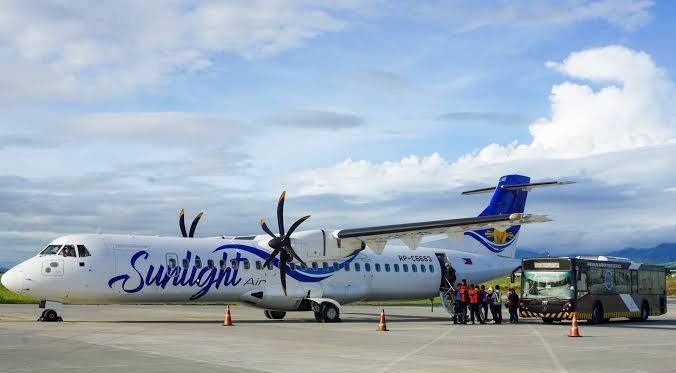
Boutique carrier Sunlight Air is relocating all its turboprop operations from Manila to Clark International Airport, a shift that will also ground its Manila–Cebu flights starting March 29 as part of the government’s airport decongestion drive.
Sunlight Air said in an advisory that the move follows a resolution issued by the Department of Transportation through the Manila Slot Coordination Committee, directing all turboprop aircraft to vacate Ninoy Aquino International Airport (NAIA) Terminal 2 and operate instead from Clark.
“As part of the nationwide airport decongestion program, Sunlight Air will fully move its turboprop operations to Clark International Airport,” the airline said. “Consequently, our Manila–Cebu and Cebu–Manila routes will cease operations effective March 29, 2026.”
The directive is aimed at easing congestion at NAIA, which remains one of Southeast Asia’s busiest and most capacity-constrained gateways. According to the airline, relocating turboprop traffic is expected to improve runway utilization, reduce delays, and enhance overall safety and efficiency at the Manila airport.
For Sunlight Air, however, the shift comes with network adjustments. The suspension of the Manila–Cebu route removes one of the country’s most heavily traveled domestic corridors from the carrier’s schedule, at least for turboprop operations.
To mitigate the impact on affected passengers, Sunlight Air is rolling out flexible rebooking and compensation options. Travelers may change their flight origin and destination without any fare difference, provided the new trip is completed within 90 days of the original flight date.
Customers also have the option to convert the value of their tickets into a travel fund for future bookings or ancillary services, or to request a full refund via the original mode of payment.
“We appreciate your understanding and sincerely apologize for the inconvenience this will cause,” the airline said, adding that its customer service teams are on standby to assist passengers through the transition.
The move underscores the growing push to reposition Clark as a viable alternative hub to Manila, while forcing airlines to recalibrate routes amid tighter capacity controls at NAIA.