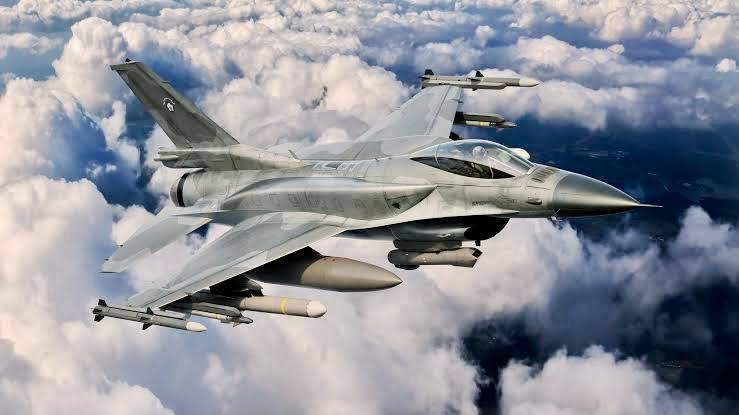
Expanding US support for Philippine defense modernization is shaping up as both a security upgrade and an economic catalyst, even as Manila weighs financing options for a potential multibillion-dollar F-16 fighter jet deal.
Philippine Ambassador to the United States Jose Manuel Romualdez said Washington’s growing commitment reflects not just geopolitical alignment but tangible investment flowing into defense-related industries and infrastructure.
Speaking at a press briefing on the sidelines of the US-Philippines Society events in Makati on February 10, Romualdez confirmed that the US Senate has approved a USD2.5-billion defense modernization support program for the Philippines, now awaiting appropriation in the House of Representatives.
“From what I’m told right now, the initial amount that they will be appropriating in the Philippines is about USD100 million, but this is over a period of five years,” Romualdez said, noting the program forms part of the United States’ broader global defense posture.
Beyond military capability, he stressed the economic spillovers. US assistance will cover equipment, cyber defense and deterrence systems, while the development of logistics hubs, warehouses and aircraft-related facilities is expected to stimulate business activity tied to construction, technology, maintenance and supply chains.
Romualdez described the scale of support as “emblematic” of the sharp turnaround in US-Philippine relations in recent years.
At the same time, Manila is keeping discussions open on acquiring F-16 fighter jets, a long-standing priority of the Philippine Air Force.
Cost, however, remains a major hurdle.
“Lockheed has been talking to us, and we’re finding ways—they’re helping to find ways—to finance the purchase of such a big-ticket item,” Romualdez said, adding that the jets are “not within our budget at this time.”
The proposed acquisition of at least 24 aircraft, estimated at USD4.8 billion to USD5 billion, would require “imaginative and creative” financing, he said, with US security funding for now focused on ground, maritime and cyber defense capabilities.