The Bureau of Customs (BOC) is doubling down on digital reform, placing a new Customs Processing System (CPS) at the center of efforts to make trade faster, cleaner, and more predictable for importers—especially the country’s biggest players.
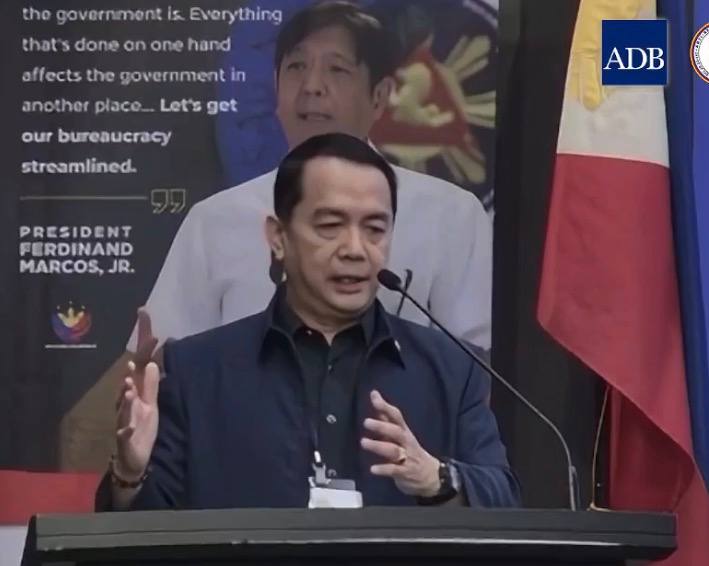
Speaking at the 2026 Economic Ease of Doing Business briefing on February 11 at the Asian Development Bank headquarters, Commissioner Ariel Nepomuceno framed reform as a delicate balancing act.
“BOC has a lot of moving parts. You do one reform, then you calibrate and check how it affects collection,” he said, cautioning against piecemeal fixes. His headline pledge: “full, 100% digitalization of the entire processes of the BOC,” anchored on CPS.
Under the proposed overhaul, all transactions—from document lodgment and assessment to payment and cargo release—will flow through a single automated platform.
“This is the one that all importers will lodge and submit documents. Assessment will happen there… then releasing of your importations,” Nepomuceno said. Automation, he stressed, must be absolute. “Not 99%, because if you give 1% discretion, that will definitely still be abused.”
Beyond digitization, the BOC is studying a dedicated lane for large, compliant importers, modeled after the Bureau of Internal Revenue’s Large Taxpayers Service.
The goal is to have trained account officers and customized procedures for top firms with solid compliance records, separating them from higher-risk profiles.
Negotiations for CPS under a public-private partnership are ongoing, with transaction fees under review. A pilot rollout is targeted as early as 2027.
The broader message to business is that predictability is the new premium. If executed well, CPS could curb discretion, cut delays, and signal that customs reform is finally shifting from incremental tweaks to structural change.