Malacañang has rejected allegations that the Philippines lacks adequate safeguards against forced labor, pushing back against findings in a recent United States Trade Representative (USTR) review that could potentially expose certain Philippine exports to additional tariffs.
The Palace on Monday said the government remains fully committed to international labor standards and maintains a strong legal and enforcement framework against forced labor, human trafficking, and labor exploitation.
The response follows a USTR report that included the Philippines among economies allegedly requiring stronger measures to prevent imports linked to forced labor. The review also raised the prospect of additional duties of up to 12.5 percent on selected exports from economies deemed to have insufficient safeguards.
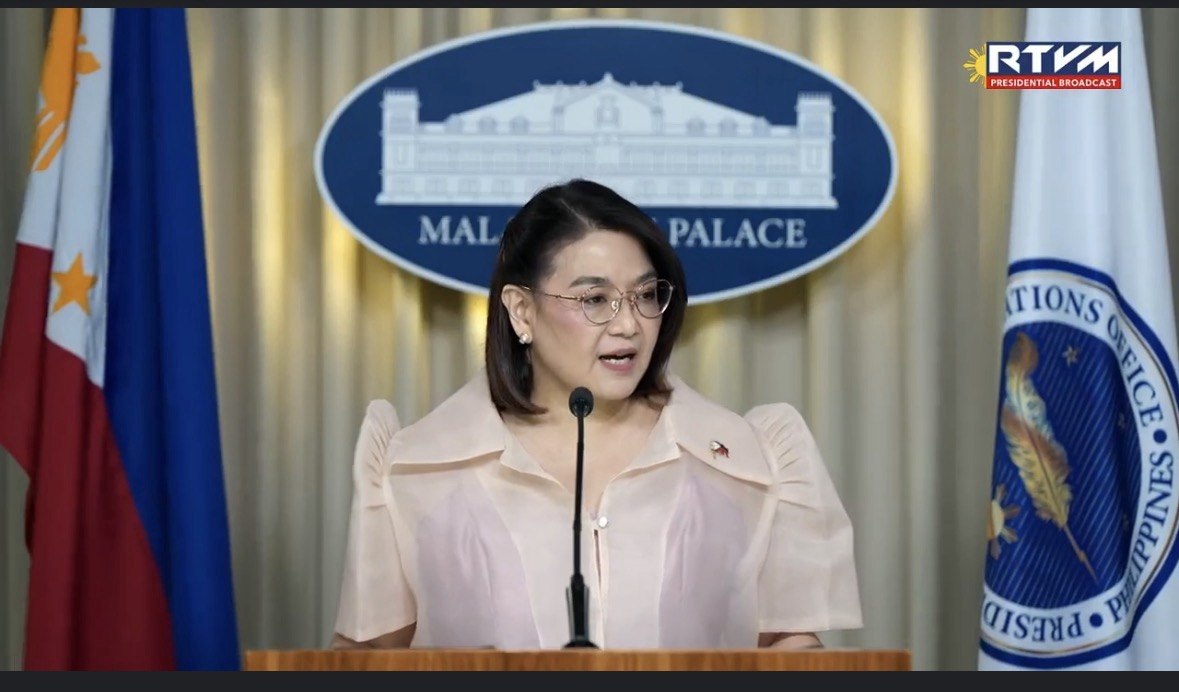
Presidential Communications Office Undersecretary and Palace Press Officer Claire Castro said the government is carefully reviewing the report and will engage U.S. authorities through appropriate diplomatic and technical channels.
“Seryosong tinutugunan ng pamahalaan ang usaping ito,” Castro said, emphasizing the country’s long-standing policy against forced labor and the existence of laws designed to combat such practices.
The Palace’s response reflects concerns over the potential trade implications of the USTR findings, particularly as the Philippines seeks to expand exports and attract investment amid an increasingly competitive global trading environment.
Castro said the government is confident it can demonstrate compliance with labor standards and highlight ongoing enforcement efforts.
“Kaya nating ipaglaban na tayo ay hindi lumalabag sa batas at tayo ay kumokondena sa forced labor,” she said.
Officials noted that recent actions against human trafficking and labor abuses underscore the government’s commitment to protecting workers’ rights and strengthening labor governance.
The administration is also exploring options to clarify the country’s position, including possible high-level discussions with U.S. trade officials aimed at preventing unwarranted trade restrictions.
Labor standards have become an increasingly important component of global trade policy, with major economies placing greater emphasis on supply chain transparency and worker protections.
For the Philippines, successfully addressing the USTR’s concerns could help preserve market access while reinforcing its reputation as a responsible trading partner committed to fair labor practices and international norms.