The Department of Energy (DOE) announced on Monday that fuel prices will see mixed adjustments this week, even as global crude markets begin to stabilize. Concurrently, the agency has ramped up regulatory oversight on the power sector, issuing over 200 warning notices to generation companies nationwide.
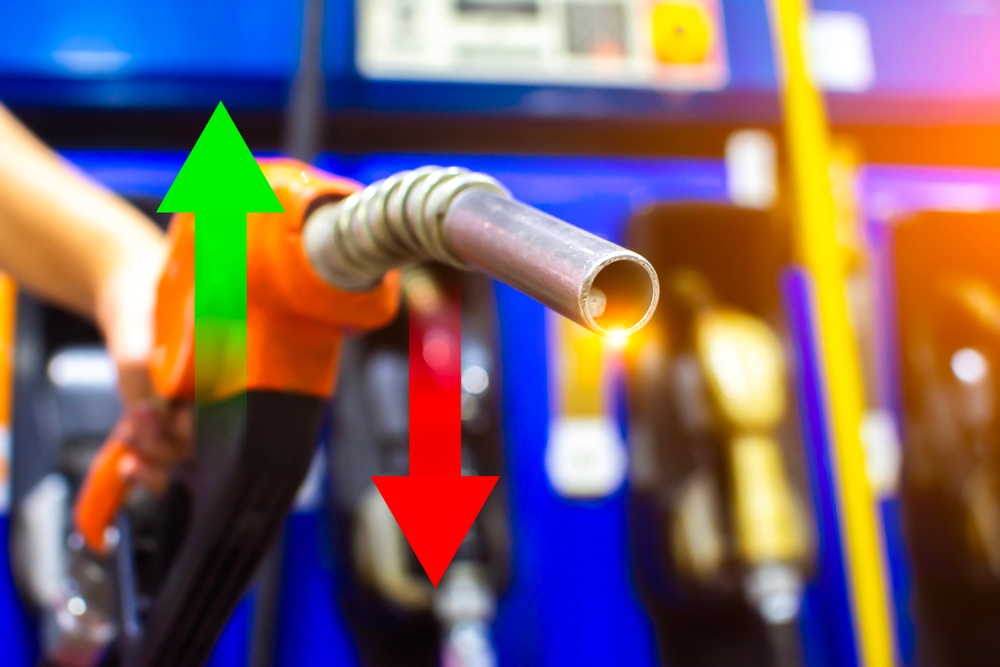
Motorists will face varying price changes at the pumps this week. While the DOE initially projected potential minor decreases or small increases for gasoline, early movements indicate upward pressure. Seaoil has already announced an across-the-board price hike effective July 7, 2026, raising gasoline by P0.25 per liter, diesel by P3.30, and kerosene by P1.75.
Despite the immediate hikes, Energy Secretary Sharon Garin emphasized that the worst of the global fuel crisis has passed.
“There comes at a certain point that it will be back to the pre-war rates but it will take time… I think the worst is over,” Garin stated, noting that global market volatility is finally calming down.
DOE Undersecretary Alessandro Sales added that Dubai crude has dropped below the $80-per-barrel mark. However, local consumers will not feel this relief immediately due to shipping and processing “lag times.” Local prices are expected to fully normalize within one to two months, provided no new geopolitical conflicts arise.
The country’s overall fuel security has improved, with total oil supplies now projected to last 46.50 days (up from 41.16 days the previous week). Gasoline and diesel reserves both saw increases, though kerosene supplies experienced a dip.
According to DOE data for the National Capital Region (June 30 – July 6, 2026), average pump prices stood at:
Gasoline (Premium/RON 91): P69.00 per liter
Diesel: P69.90 per liter
Kerosene: P98.50 per liter
In the power sector, the DOE has escalated its regulatory enforcement, issuing 203 Show Cause Orders (SCOs) to power generation companies across the country—up from the previously reported 175.
The orders target 174 on-grid and 29 off-grid facilities. The DOE clarified that these notices do not mean the companies are guilty of causing power outages or operational violations. Instead, the firms failed to submit their mandatory Annual Self-Assessment Forms by the extended April 24 deadline.
The DOE is currently awaiting responses from the delinquent companies and will evaluate the submissions to determine if formal violations were committed and if financial penalties are warranted.