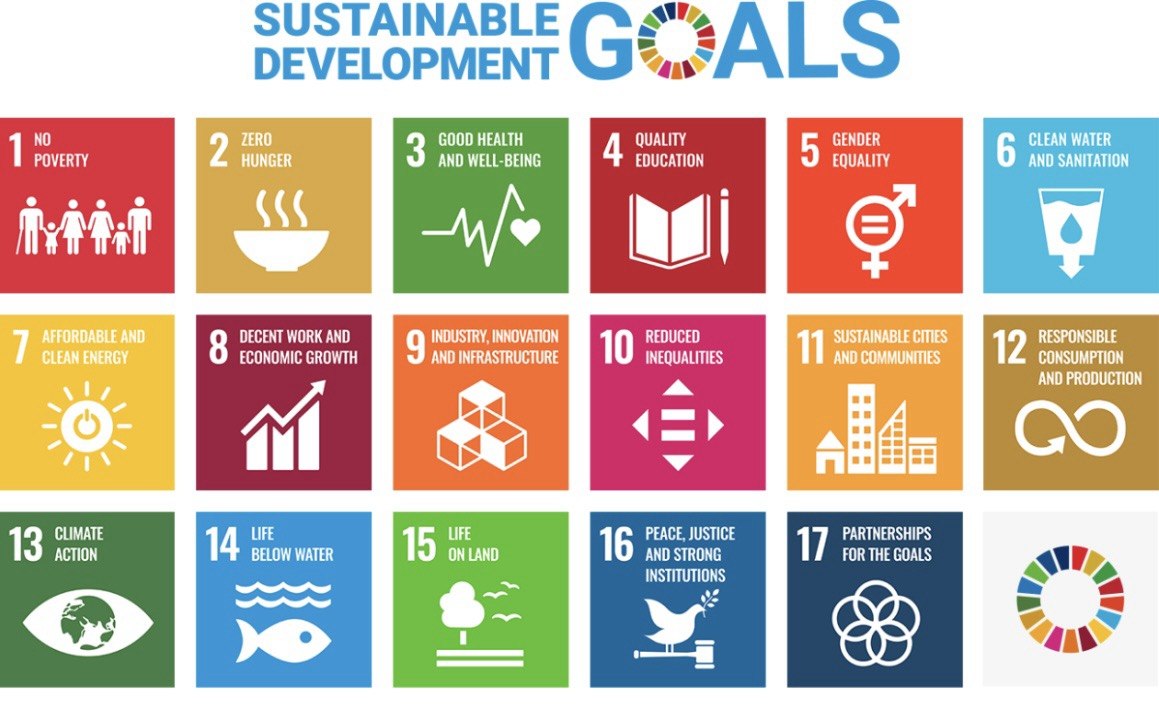
The Philippines has made measurable gains toward achieving the United Nations’ Sustainable Development Goals (SDGs). But the country remains off pace on most targets, highlighting the challenge of translating progress into meaningful outcomes before the 2030 deadline.
Data from the Philippine Statistics Authority (PSA) showed that 10 of the country’s 17 SDGs have improved since 2015. Yet only two are advancing quickly enough to meet their 2030 goals, while the other eight require a significant acceleration in implementation.
The report also flagged areas moving in the wrong direction. SDG 3 on good health and well-being and SDG 11 on sustainable cities and communities are both regressing, reflecting setbacks in health outcomes, urban development, and disaster resilience.
Meanwhile, progress on five goals—including gender equality, reduced inequalities, climate action, peace and justice, and global partnerships—could not be fully assessed because of insufficient data, underscoring persistent gaps in monitoring and evaluation.
The picture is similarly mixed at the indicator level. Of the 99 measurable indicators, only 23 percent are on track to achieve their 2030 targets if the current pace is sustained. More than half, or 52 percent, require faster progress, while 25 percent are moving backward and will need to reverse course altogether.
At the target level, about 52 percent of the 62 measurable SDG targets likewise require accelerated implementation to be achieved by 2030.
The findings suggest that while the country has established momentum in several development areas, incremental improvements alone will not be enough to fulfill its commitments to end poverty, protect the environment, and promote inclusive growth.
With fewer than five years left before the global deadline, the challenge has shifted from setting ambitious goals to delivering faster, broader, and more sustained results—particularly in sectors where progress has stalled or slipped into reverse.