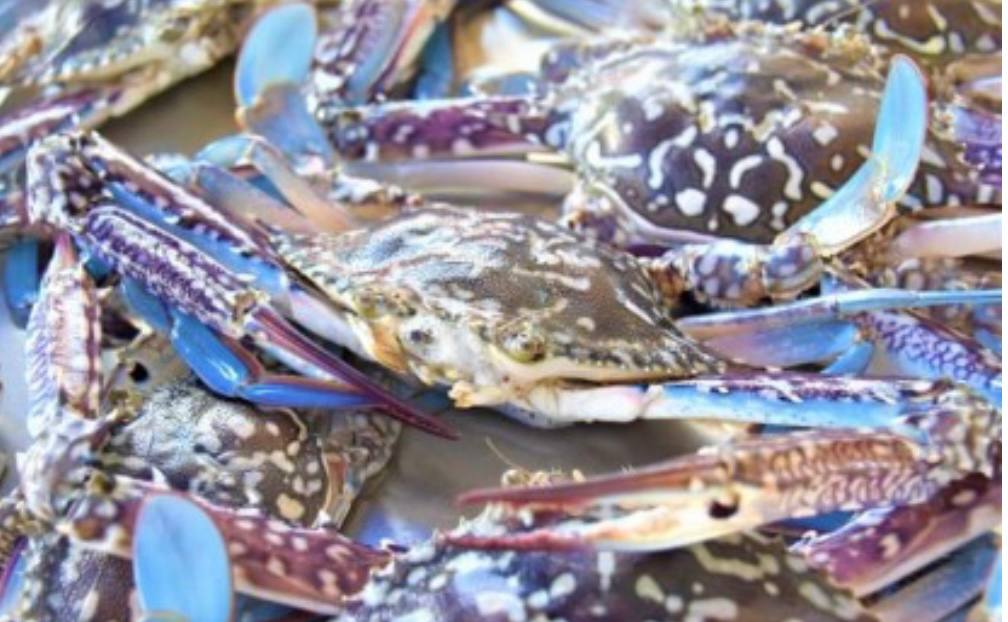
The Department of Agriculture, through the Bureau of Fisheries and Aquatic Resources, has issued stricter regulations for the country’s blue swimming crab or alimasag fishery under Fisheries Administrative Order No. 277. One key measure limits the total length of gillnets used in fishing operations to 500 meters, which studies show reduces accidental catch of marine mammals and other protected species without lowering fishing productivity.
The new rules align Philippine practices with the United States Marine Mammal Protection Act, addressing rising sustainability demands from overseas buyers. Officials noted that improved conservation will help secure valuable export markets, safeguard marine biodiversity, and sustain the industry long-term. The sector supports thousands of fisherfolk, processors, exporters and their families across the country.
Agriculture Secretary Francisco Tiu Laurel Jr. emphasized that sustainability is now both an environmental goal and a business necessity, as meeting strict international standards helps maintain the Philippines’ standing as a trusted seafood supplier. The order also includes stricter enforcement by BFAR working with local governments and law enforcement, penalties for violations, and a mandatory review every three years to keep measures relevant.
Policymakers developed the rules after consulting widely with fisherfolk, industry groups, scientists, conservationists and other stakeholders. BFAR national director Elizer Salilig said broad participation is vital to balance resource protection and livelihood support, while DA undersecretary for fisheries Drusila Bayate noted this move is critical to strengthening access to the US market, a major destination for Philippine blue crab exports.
Latest data from the Philippine Statistics Authority shows the country produced 20,241.40 metric tons of blue crab in 2025, down 4.2 percent from the 21,127.31 metric tons recorded in 2024.