President Ferdinand Marcos Jr. delivered one of the strongest foreign policy messages of his administration on Monday, declaring that the Philippines “will not yield” in defending its sovereignty and reaffirming the country’s commitment to the landmark 2016 Arbitral Award on the West Philippine Sea.
Speaking before a joint session of Congress during his State of the Nation Address, Marcos drew sustained applause as he underscored that the country’s territorial rights are non-negotiable, even as he stopped short of directly naming China.
“Our unity and collective consciousness are challenged now greater than ever before. A common threat lies before us, directed against our dignity and self-respect,” the President said.
Marcos framed the issue as one of national identity as much as territorial integrity, saying Filipinos remain committed to peace without compromising their rights.
“We are not greedy. We are not racists. We are respectful, and we are dignified. We are Filipinos, and we do not yield,” he said, prompting one of the loudest ovations of the address.
The remarks came as the Philippines marked the 10th anniversary of the 2016 Hague arbitral ruling, which invalidated China’s sweeping claims over much of the South China Sea. Marcos vowed that his administration would continue defending the ruling through peaceful and lawful means.
“This is not a claim that we advance at all, nor is it one that we will abandon,” he said. “Your government will do all that is necessary to continue upholding this award, utilizing every peaceful and legal means available to the Republic against any attempt, foreign or domestic, to undermine this achievement.”
The President’s comments reinforce Manila’s strategy of asserting its maritime rights through international law while avoiding direct escalation, a balancing act that has defined Philippine policy amid continuing tensions in the West Philippine Sea.
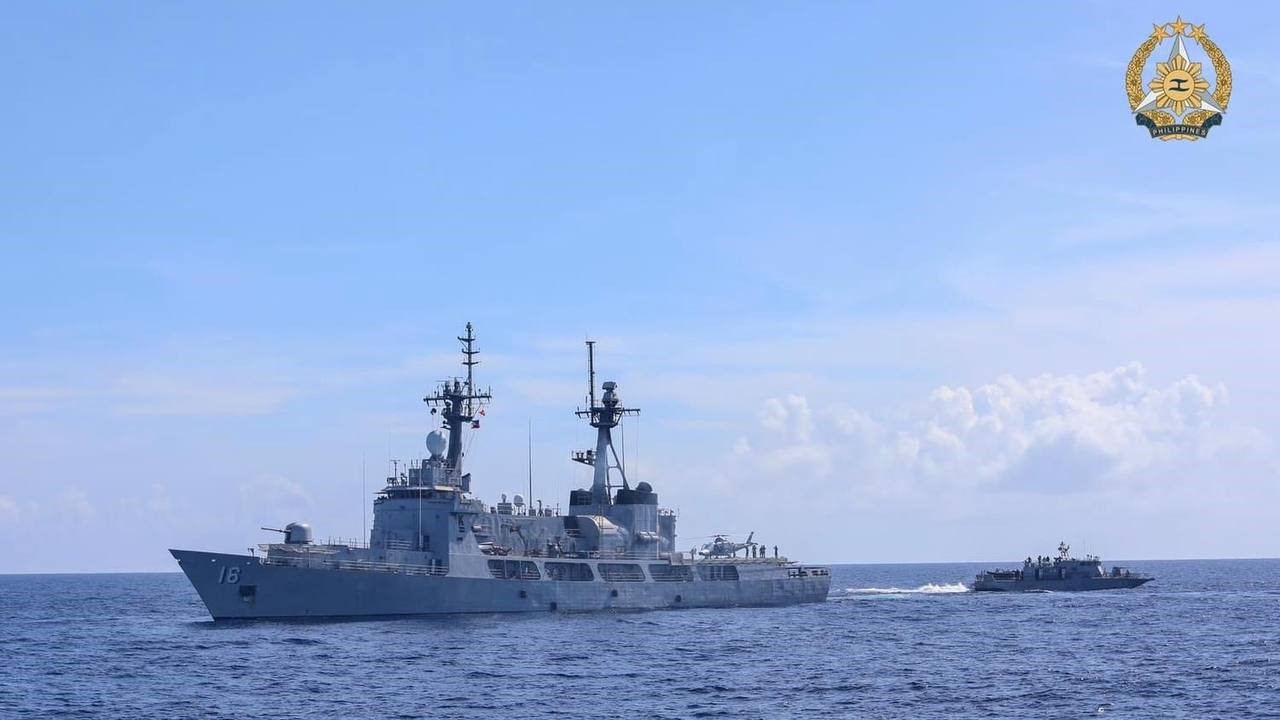
Marcos also paid tribute to the Armed Forces of the Philippines, the Philippine Coast Guard and Filipino fisherfolk who continue to operate in contested waters despite growing risks.
“We give honor to our Armed Forces, the Coast Guard, and even our fisherfolk,” he said. “To them, we owe our collective gratitude and appreciation.”
The address signaled that defending Philippine sovereignty will remain a central pillar of the administration’s foreign policy, with diplomacy, international law and a sustained maritime presence serving as its principal instruments.