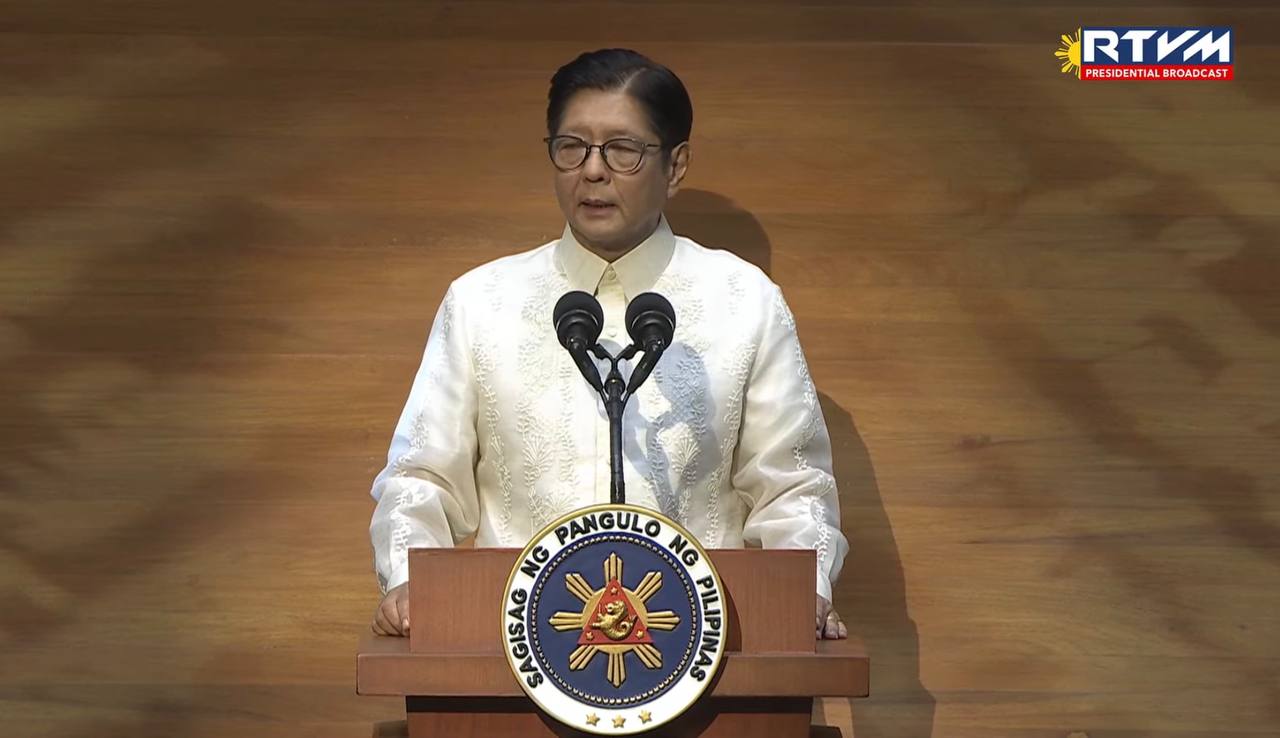
President Ferdinand Marcos Jr. on Monday asked Congress to approve a sweeping package of tax relief measures for middle-income earners, workers and small businesses, signaling a shift toward policies aimed at boosting household spending and encouraging business expansion.
In his 2026 State of the Nation Address, Marcos said the reforms are designed to help the middle class recover from the lingering effects of recent economic shocks while making the tax system more equitable and growth-oriented.
“To ensure the continued progress of the middle class amidst the lingering effects of the crisis, we will pursue tax relief measures that promote growth, generate revenue, and advance equity toward socioeconomic sustainability,” the President said.
At the center of the proposal is an increase in the annual taxable income exemption to P350,000, a move that would allow more salaried workers to keep a larger share of their earnings. Marcos also proposed lower income tax rates for other taxpayers, arguing that stronger household purchasing power would support domestic consumption, a key driver of the Philippine economy.
The President emphasized that the administration “will not forget our workers, especially the middle class and small businesses,” acknowledging that both groups continue to shoulder much of the financial pressure from recent crises.
Marcos also urged lawmakers to exempt micro, small and medium enterprises from paying the minimum corporate income tax, saying the measure would free up capital that businesses could use to expand operations, hire more workers and invest in growth.
Another key proposal is a tax amnesty covering unpaid income, estate, donor’s and value-added taxes, including penalties. The program aims to encourage voluntary compliance by allowing taxpayers to settle outstanding obligations without the full burden of accumulated surcharges.
Taken together, the measures point to a broader effort to use tax policy as an economic stimulus. By easing the burden on households and businesses while broadening voluntary compliance, the administration is seeking to support consumption, spur investment and strengthen long-term revenue collection without imposing new taxes.
If enacted, the package would mark one of the administration’s most significant tax reform initiatives since taking office, with potentially wide-ranging implications for consumers, entrepreneurs and the broader economy.