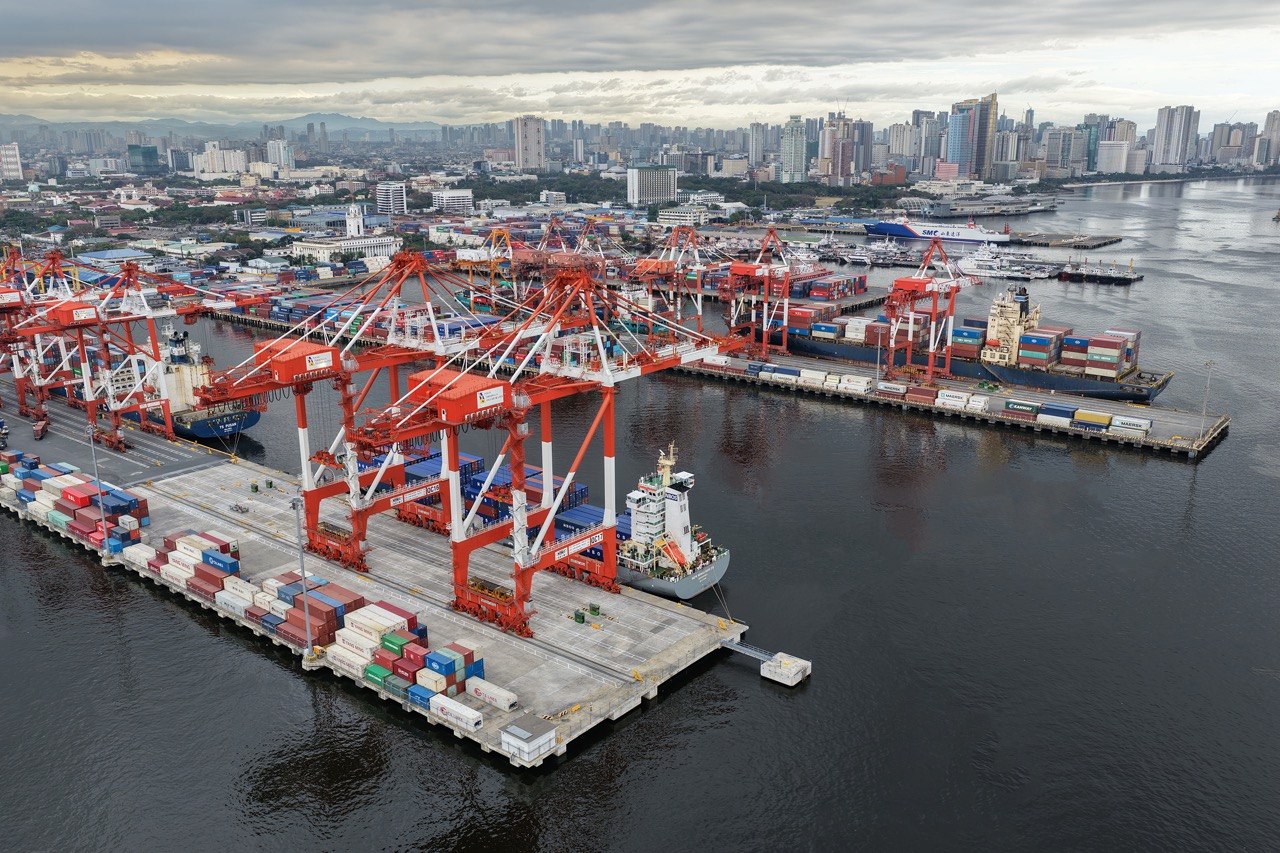
Asian Terminals Inc. (ATI) has invested more than P42 billion in port infrastructure and modernization over the past 40 years, highlighting the scale of private-sector investments that have helped keep Philippine trade moving and strengthened the country’s position in regional supply chains.
Celebrating its 40th anniversary this July, ATI said its long-term investments, made with strategic foreign partner DP World, have expanded cargo-handling capacity, modernized port operations and improved the efficiency of the country’s busiest trade gateways.
Since its founding in 1986, ATI has handled around 30 million twenty-foot equivalent units (TEUs) of containerized cargo, 57 million metric tons of breakbulk and non-containerized cargo, 10 million vehicles and about 70 million passengers through its international and domestic ports.
The company’s investments have transformed Manila South Harbor into one of the country’s premier international gateways while helping develop the Batangas Integrated Port into a major cargo, passenger and automotive hub serving Southern Luzon. ATI has also expanded its logistics network through the Cavite container barge terminal and inland logistics facilities, improving cargo movement beyond the ports.
“Ports are more than just the movement of cargoes. They connect industries, create jobs, attract investments, and open opportunities for communities to prosper,” said William Khoury, DP World’s Vice President for Ports and Terminals for Southeast Asia and an ATI director.
His remarks underscore how ports have evolved from transport infrastructure into strategic economic assets. As manufacturers diversify supply chains and governments compete for investments, efficient ports have become a key advantage in attracting factories, exporters and logistics providers.
Khoury said ATI and DP World have helped connect Philippine industries to global markets while supporting investments across manufacturing, automotive, renewable energy and infrastructure.
Looking ahead, ATI said it will continue investing in automation, digitalization, integrated logistics and greener port technologies as global trade becomes increasingly technology-driven. The company said these investments aim to improve supply chain efficiency and strengthen the Philippines’ competitiveness as a regional trade and logistics hub.