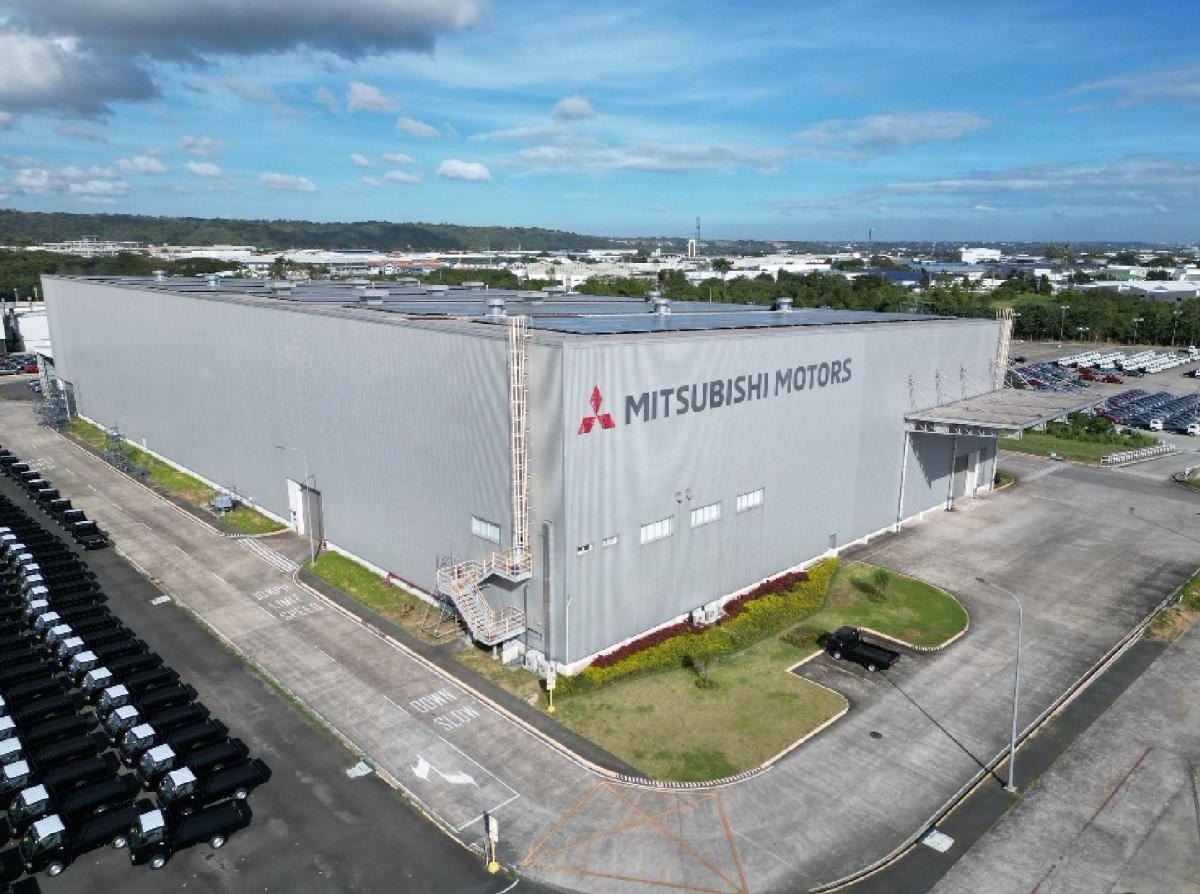
Mitsubishi Motors Philippines Corp. (MMPC) is preparing to invest P7 billion in local hybrid electric vehicle production once the government formally rolls out the Electric Vehicle Incentive Strategy (EVIS), becoming one of the first automakers to publicly commit fresh capital under the proposed incentive program.
The announcement follows President Ferdinand R. Marcos Jr.’s 2026 State of the Nation Address, where he pledged to fast-track EVIS through an Executive Order as part of the administration’s broader push to expand clean transportation, strengthen domestic manufacturing, and attract higher-value investments.
“Mitsubishi Motors Philippines remains committed to supporting the government’s push toward vehicle electrification and sustainable mobility. Upon the formalization of the Electric Vehicle Incentive Strategy through the expected issuance of an Executive Order, we are ready to invest P7 billion to support the local production of hybrid electric vehicles,” the company said.
The automaker added it is ready to work with the government to deepen electrified mobility while reinforcing the country’s automotive manufacturing base.
The commitment is an early signal that policy clarity could unlock long-delayed investments in the local automotive sector. Manufacturers have largely taken a wait-and-see approach as they awaited details of the incentive framework.
Designed by the Department of Trade and Industry and the Board of Investments, EVIS is a proposed P60-billion package that aims to attract investments across the electric vehicle ecosystem. Up to four manufacturers may qualify for incentives of as much as P15 billion each for producing electric and hybrid vehicles, batteries, key components, and charging infrastructure.
For the Philippines, the stakes extend beyond cleaner roads. Securing assembly investments from established global brands could create skilled jobs, deepen local supply chains, and reduce dependence on imported vehicles. MMPC’s public commitment suggests EVIS may already be achieving one of its key objectives even before it officially takes effect, giving the country an opportunity to strengthen its position in Southeast Asia’s increasingly competitive automotive manufacturing landscape.