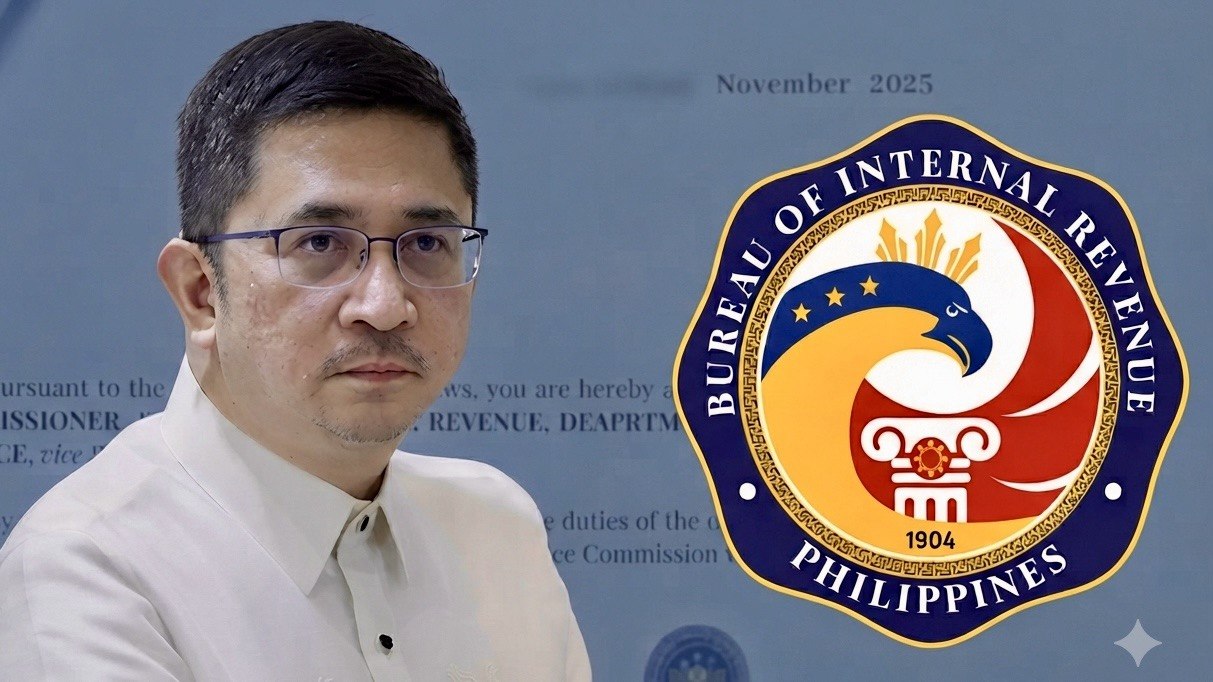
The Bureau of Internal Revenue (BIR) is gearing up for the Marcos administration’s proposed tax reforms, preparing its systems and processes ahead of congressional approval to ensure quicker implementation once the measures become law.
BIR Commissioner Charlito Mendoza said the agency is aligning its operations with President Ferdinand R. Marcos Jr.’s tax agenda unveiled during his fifth State of the Nation Address, while pressing ahead with reforms that can already be implemented administratively.
“The BIR supports this direction and stands ready to faithfully and efficiently implement the measures that Congress may enact,” Mendoza said. “Our immediate responsibility is to ensure that the Bureau is fully prepared once these measures are signed into law.”
Even before the legislation is passed, Mendoza said the BIR will continue simplifying tax compliance, modernizing digital systems, improving frontline services and reviewing outdated regulations. The agency will also sustain consultations with taxpayers and business groups to ensure reforms improve compliance without compromising revenue collection.
The proposed tax package is designed to increase disposable income and ease the burden on workers and micro and small enterprises.
Finance Secretary Frederick D. Go earlier said raising the personal income tax exemption threshold to P350,000 from P250,000 would benefit both newly exempt workers and those earning above the threshold.
Employees earning between P250,000 and P350,000 annually could receive up to P15,000 in additional take-home pay, while taxpayers earning more than P350,000 could save as much as P17,500 a year.
The package also proposes removing the minimum corporate income tax for micro and small enterprises, introducing a one-time tax abatement program for qualified micro taxpayers, pursuing a general tax amnesty and expanding the list of VAT-exempt medicines.
With Congress expected to prioritize the tax measures, the BIR’s early preparations signal the government’s push to shorten the gap between legislation and implementation, allowing tax relief and business incentives to take effect more quickly once the reforms are enacted.