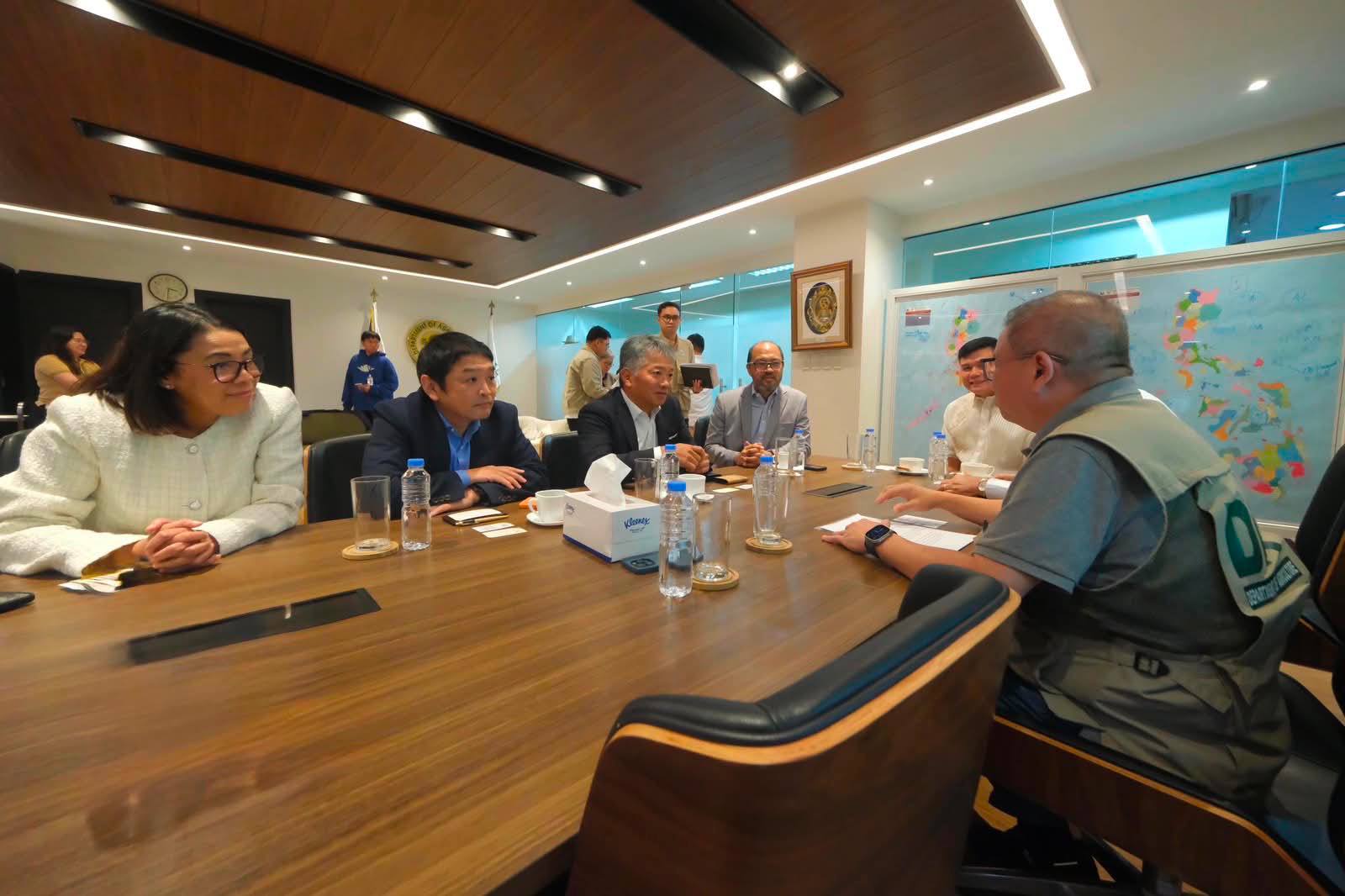
The Philippine Coconut Authority (PCA) has formalized a partnership with Japan’s Mitsui to test advanced nanotechnology designed to boost coconut farming, moving forward with President Ferdinand R. Marcos Jr.’s goal of building a modern, technology-driven and sustainable agriculture sector that raises output and improves the lives of farmers. The Memorandum of Agreement was signed on July 27 following eight months of discussions, launching a two-year field trial to check if the technology can lift coconut yields and improve tree health under local conditions.
Under the deal, Mitsui will provide its specially developed nano-formulated nutrient technology, while the PCA will select suitable trial locations and offer technical guidance throughout the project. Unlike standard fertilizers applied to the soil, this system delivers nutrients straight into the coconut tree. Tiny capsules holding nutrients and crop protection materials, adjusted to match each tree’s needs, are injected into the trunk so the plant absorbs resources far more efficiently using only small volumes of solution. The technology has already proven successful in oil palm plantations and may also help control pest problems.
PCA administrator and chief executive officer Dexter Buted described the initiative as a major step toward bringing world-class farming tools to an industry that supports millions of Filipino households. “This partnership opens the door to innovations that could transform coconut farming by improving productivity, strengthening tree health and making our farms more resilient. If the technology proves effective, it can help our coconut farmers produce more with fewer inputs while making the industry more globally competitive,” Buted said.
Agriculture Secretary Francisco P. Tiu Laurel Jr. noted that modernizing the coconut sector brings benefits well beyond farming itself, as coconut remains the country’s top agricultural export and a key source of income across rural areas. “A healthier and more productive coconut industry means stronger rural incomes, more export earnings and greater economic opportunities for millions of Filipinos who depend on coconut for their livelihood. Investments in innovation such as this will help ensure that our biggest agricultural export remains globally competitive while supporting the President’s vision of a modern and sustainable agriculture sector,” Tiu Laurel added. The partnership forms part of the government’s wider plan to combine science, technology and international cooperation to lift farm output, secure food and export supplies, and build a stronger agricultural economy.