The Department of Agriculture (DA) will not ban rice imports for the rest of the year, choosing instead to build up emergency food reserves ahead of expected El Niño weather disruptions.
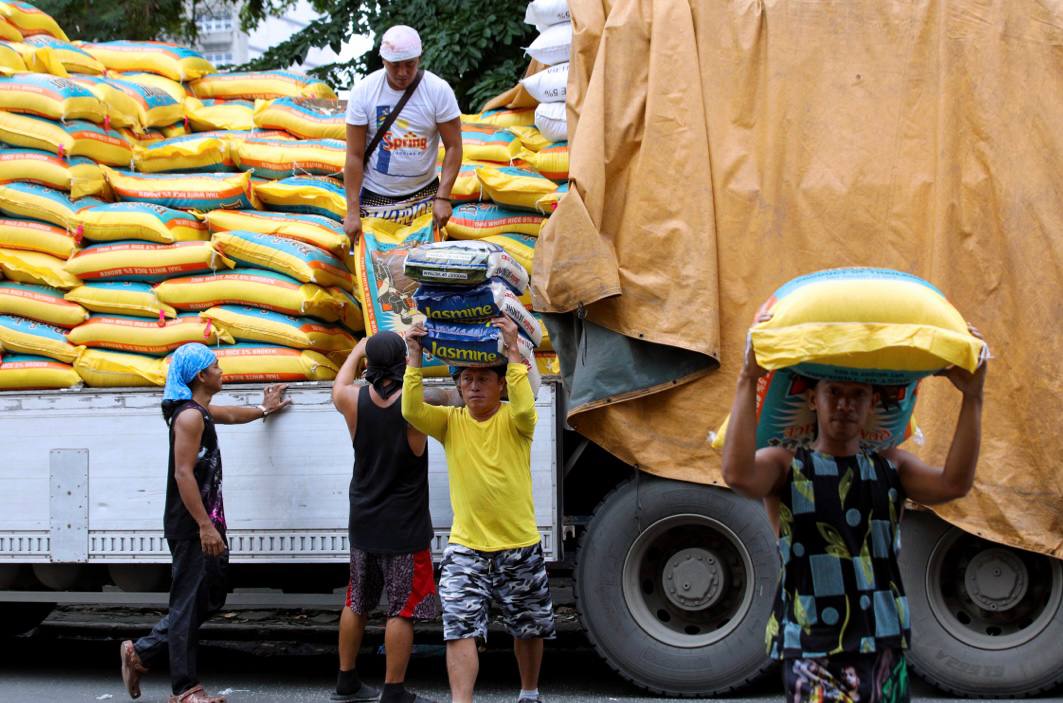
Agriculture Secretary Francisco Tiu Laurel Jr. confirmed the decision on Tuesday, noting that 3.3 million metric tons (MT) of rice imports had already arrived as of August 3. He said weekly monitoring shows no import restrictions will be put in place, as the country needs enough supplies to cover the period from December through April when El Niño is forecast to hit hardest starting in November or December.
This marks a change from last year, when imports were stopped from September to December to keep prices high during the main harvest season. Officials say the priority now is having enough stock, with El Niño projected to cut local unhusked rice or palay output by 750,000 MT.
To protect farmers from falling prices during the upcoming harvest, the National Food Authority (NFA) has been told to increase its purchases. The agency aims to buy 500,000 MT of palay this wet season, paying at least P21 per kg for wet palay and P25 to P27 per kg for dry palay. President Ferdinand Marcos Jr. has raised the NFA’s procurement budget from P9 billion in 2025 to P14 billion this year, and the agency is clearing warehouse space to speed up buying operations starting later this month.
The DA is also expanding its P20 per kg rice program for low-income groups including indigent families, single parents, senior citizens and persons with disabilities. Monthly sales under the initiative are set to double to 40,000 MT, which will also free up more warehouse space. NFA facilities are currently about half empty as milling operations pick up after recent delays.
A meeting with the Millers Association of the Philippines is scheduled this week to work out a pricing structure that works for all groups. Officials aim for locally produced rice to sell at P47 to P50 per kg, ensuring farmers get fair pay, businesses can operate sustainably, and consumers pay reasonable rates.
Latest price data for Metro Manila as of August 3 shows regular milled local rice at P45 per kg and well-milled local rice at P48 per kg. Imported well-milled rice also costs P48 per kg, while premium local rice sells for P55 per kg and special varieties from both local and imported sources go for P60 per kg.